Think in Probabilities – Without Doing the Math

Think in Probabilities – Without Doing the Math
When people hear the word probability, they often think of math, percentages, and complicated formulas. But thinking in probabilities is less about crunching numbers and more about understanding how the world probably works. It’s a mindset that helps you make better decisions—whether you’re investing, negotiating, or just deciding whether to bring an umbrella—without ever touching a calculator.
Probability as a Way of Thinking – Not as Numbers
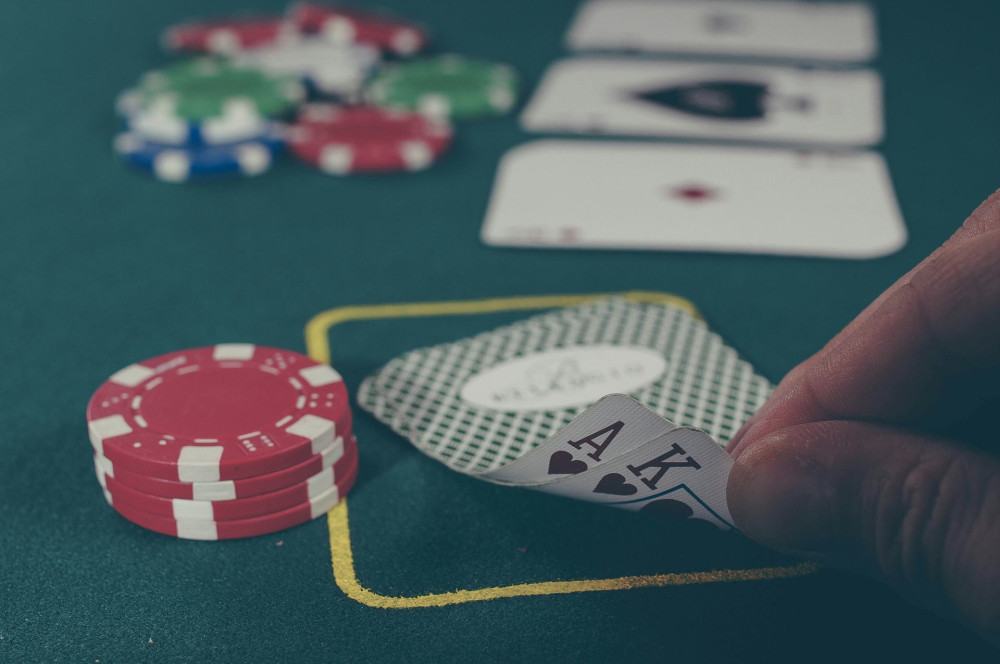
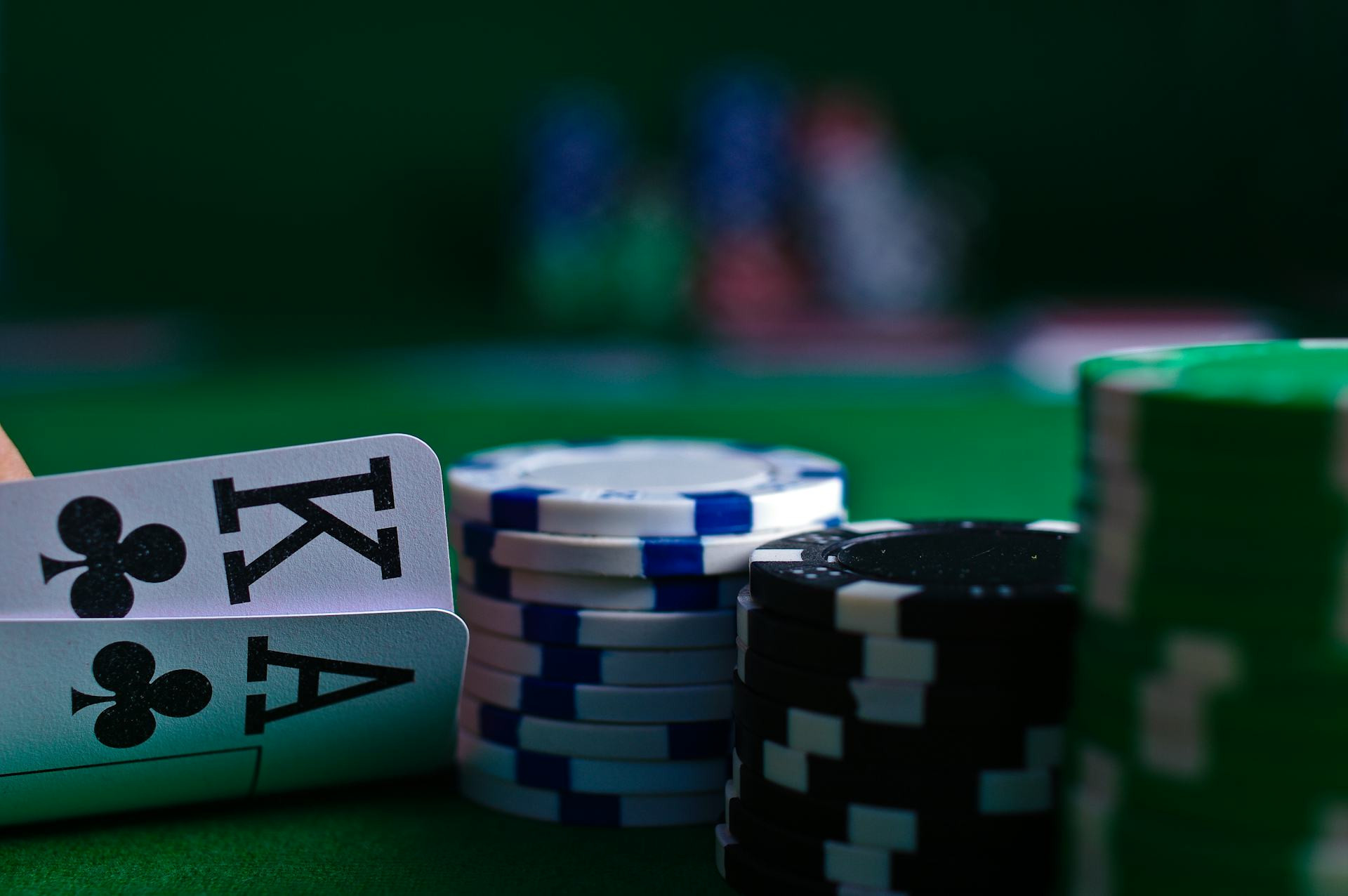
Thinking in probabilities means accepting that almost nothing in life is 100 percent certain. We always act on incomplete information—whether we’re deciding to take a new job, buy a house, or call a bluff in poker. Instead of asking, “Will this happen or not?”, ask, “How likely is it that this will happen?”
This shift in thinking makes you more flexible. It helps you see risks and opportunities as degrees of likelihood rather than absolute truths. That’s what separates an experienced decision-maker from an impulsive one—and a skilled poker player from a beginner.
Use Your Intuition – But Train It
You don’t need to calculate exact odds to think probabilistically. Humans are actually pretty good at sensing probabilities when they have enough experience. A poker player who has seen thousands of hands develops an intuitive sense of when an opponent is likely bluffing. It’s not magic—it’s pattern recognition.
The same applies in everyday life. When you choose a route to work, you’re estimating the chance of traffic. When you decide whether to buy a used car, you’re weighing the likelihood of future repairs. The more you practice observing outcomes and reflecting on them, the sharper your intuition becomes.
A useful trick is to think in scenarios: What happens if I’m wrong? What happens if I’m right? This forces you to consider multiple possible outcomes—and to act based on what makes the most sense overall, not just what you hope will happen.
Læs også:


Avoid the Trap: “I Was Right Because It Worked Out”
A common mistake—in poker, business, and life—is confusing results with decisions. You can make a good decision and still get a bad outcome because luck didn’t go your way. Or you can make a bad decision and get lucky. That doesn’t mean your reasoning was sound.
Thinking in probabilities means judging your decision before you know the result. Ask yourself: Was my reasoning solid given the information I had? If yes, then it was a good decision—no matter how it turned out. That’s how professionals, investors, and analysts learn and improve over time.
Probability Thinking in Everyday Life
You don’t have to be a poker player or a statistician to benefit from this mindset. It can improve decisions in almost any area:
- When you invest: Consider several possible outcomes instead of betting everything on one prediction.
- When you plan: Think about the likelihood of delays, illness, or changes—and build flexibility into your plans.
- When you read the news: Ask how likely a claim is to be true instead of accepting it at face value.
- When you make choices: Focus on what’s most likely to lead to a good long-term result, not just what feels right in the moment.
Thinking in probabilities doesn’t make you cynical—it makes you realistic. It helps you navigate a world where nothing is certain, but many things are probable.
A Calmer Way to Think
Once you start seeing the world through probabilities, you become less driven by fear or random swings of fortune. You learn to accept that bad luck happens and that good luck doesn’t last forever. That brings a calmer, more rational approach—to poker, to business, and to life.
You can’t control outcomes, but you can control your decision process. And that’s what thinking in probabilities is really about: making the best choices you can with the information you have—without having to do the math.
Læs også: