Poker Odds Explained: How They Differ from Regular Probability Theory

Poker Odds Explained: How They Differ from Regular Probability Theory
When you sit down at a poker table, you’re not just playing cards—you’re playing probabilities. But poker odds aren’t quite the same as the probabilities you learned in school. In poker, the numbers are dynamic, constantly shifting based on the cards on the table, your opponents’ actions, and the possible outcomes of future rounds. To truly understand the game, it’s essential to know how poker odds differ from standard probability theory.
What Do Poker Odds Really Mean?
Poker odds describe the likelihood that a particular hand will win, improve, or lose against your opponents’ possible hands. They help you decide whether it’s worth calling, raising, or folding in a given situation.
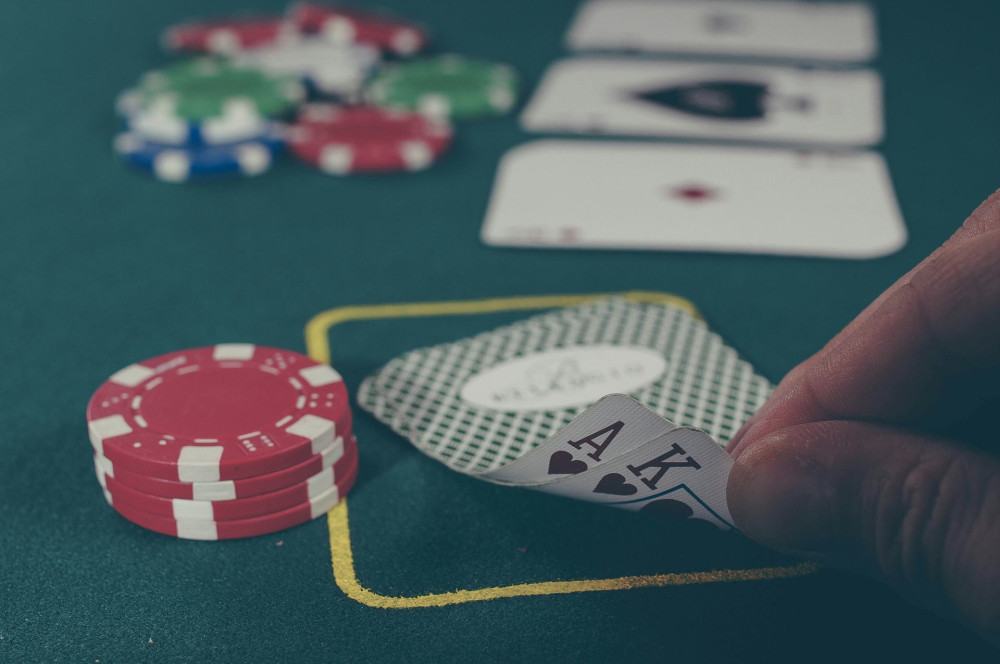
For example, imagine you have four cards to a flush after the flop. The probability of hitting that fifth card on the turn or river can be calculated—and that’s where poker odds come in. They tell you how often you can expect to complete your hand and whether it makes financial sense to stay in the pot.
From Theory to Practice: Probability vs. Odds
In classical probability theory, you calculate the chance of an event happening—for instance, drawing an ace from a deck of cards. In poker, the same principles apply, but probabilities are translated into odds, which can be compared to the money you risk and the money you stand to win.
Here’s a simple example: if you have a 20% chance of winning a hand, that’s equivalent to odds of 4-to-1 against you. This means you’ll lose four times for every one time you win. If the pot offers a payout greater than four times your bet, calling might be the right move—even if you’ll lose most of the time in the short run.
Læs også:
Pot Odds and Expected Value
One of the key differences between regular probability and poker odds is that poker odds are always evaluated in relation to the pot—the money already on the table. This concept is known as pot odds.
Pot odds are compared to the probability of improving your hand. If your pot odds are better than your chances of winning, it’s mathematically correct to call. If not, folding is the smarter choice.
A related concept is expected value (EV), which measures whether a decision is profitable over the long term. Even a losing hand can be a good decision if, in the same situation over time, it yields a positive return.
Dynamic Probabilities: When Opponents Enter the Equation
Unlike classical probability, where outcomes are independent, poker probabilities change constantly. Every time an opponent bets, raises, or folds, you gain new information that affects your calculations.
That’s why poker odds aren’t just about math—they’re also about psychology and strategy. A skilled player uses odds as a foundation but adjusts decisions based on opponents’ behavior and the context of the game.
Intuition and Experience: When Numbers Meet Instinct
While poker odds can be calculated precisely, experience and intuition play a huge role. Over time, many players develop a feel for probabilities without doing the math explicitly. They recognize patterns, common situations, and opponents’ tendencies.
Understanding poker odds, then, isn’t just about crunching numbers—it’s about using those numbers to make better decisions. The best players combine mathematical reasoning with human insight, turning probability into a practical tool for success.
Why Poker Odds Are More Than Just Numbers
Poker odds are a way to make rational decisions in a game that often feels unpredictable. They’re rooted in classical probability but take into account financial incentives, opponent behavior, and the ever-changing nature of the game.
While traditional probability seeks an objective answer, poker odds are about finding the best decision in a situation with incomplete information. That blend of math, strategy, and psychology is what makes poker one of the most fascinating—and intellectually rewarding—games in the world.
Læs også: