Choose the Poker Game That Fits Your Budget and Enjoyment

Choose the Poker Game That Fits Your Budget and Enjoyment
Poker is a game that blends strategy, psychology, and luck—but it’s also a game where your budget and temperament matter just as much as your cards. To get the most out of your experience, it’s important to choose the poker variant and stakes that match both your wallet and your playing style. Here’s a guide to help you find the poker game that fits your budget and enjoyment.
Know Your Budget—and Stick to It
Before you sit down at the table, set a clear budget. This applies whether you’re playing online or at a casino. A good rule of thumb is to decide how much you’re willing to spend on a session—and accept that you might lose that amount.
- Low stakes (micro and small stakes): Perfect for beginners or casual players who want to have fun without risking much. You can learn the flow of the game and basic strategies without major losses.
- Medium stakes: For players with some experience who want more challenge and bigger potential rewards. This level requires discipline and a solid understanding of bankroll management.
- High stakes: For seasoned and risk-tolerant players. The wins can be huge—but so can the losses.
No matter your level, never play with money you can’t afford to lose. Poker should be entertainment, not a financial strain.
Choose the Poker Variant That Suits You
There are many poker variants, each with its own pace, strategy, and level of risk. Here are some of the most popular:
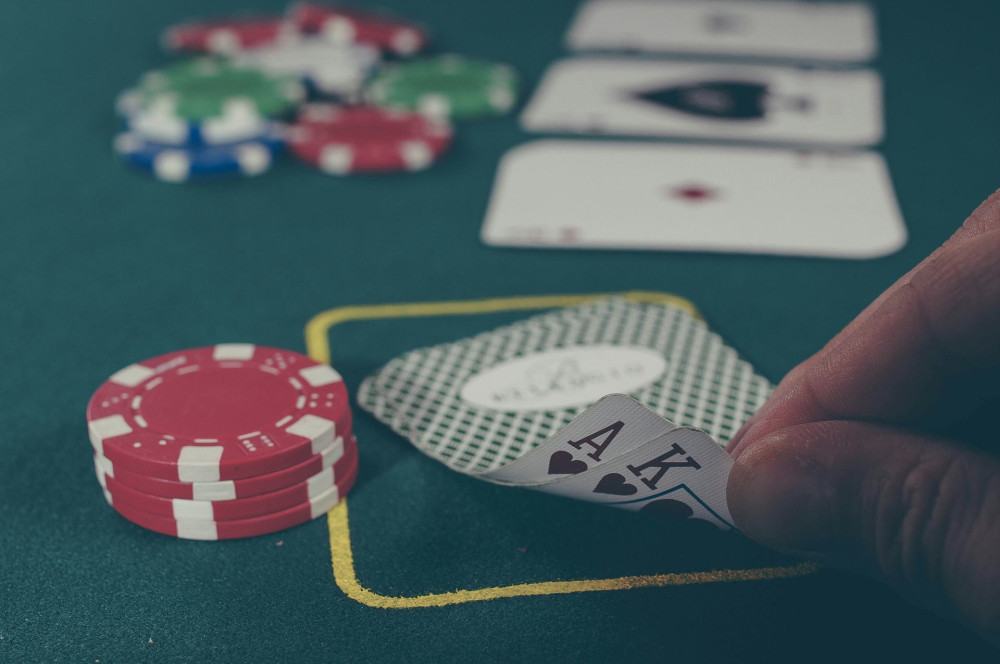
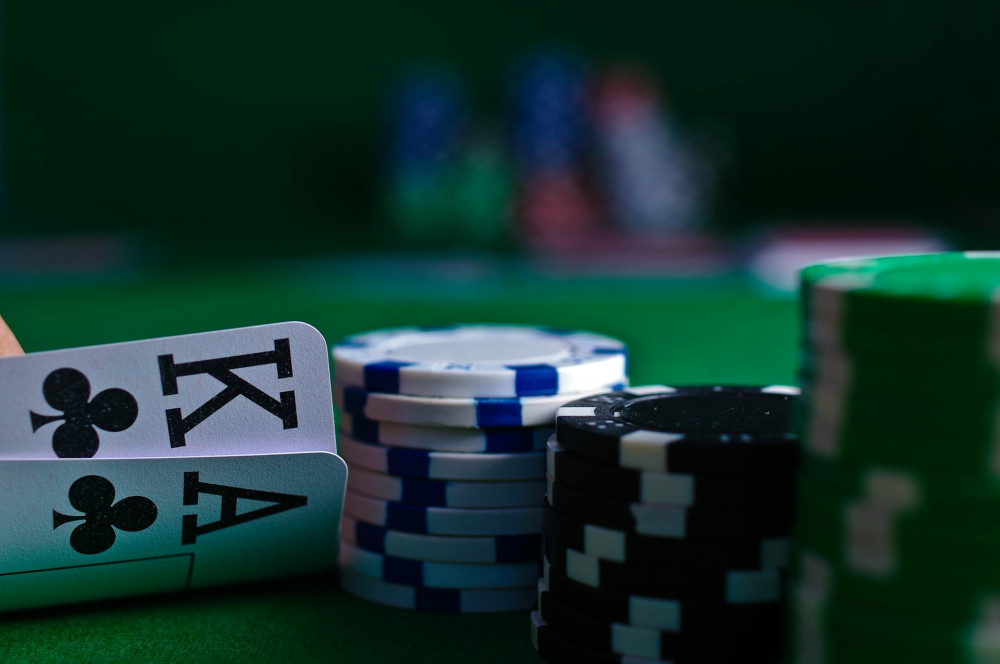
- Texas Hold’em – The most widely played version, where you get two hole cards and share five community cards. It rewards patience, observation, and the ability to read opponents.
- Omaha – Similar to Texas Hold’em, but you get four hole cards and must use exactly two. It creates more combinations and bigger swings—great for players who love action.
- Seven Card Stud – A classic form without community cards. It’s about memory, observation, and calculating odds.
- Draw Poker – A simpler version where you draw new cards to improve your hand. Ideal for friendly home games or as an introduction to poker.
If you’re new to poker, Texas Hold’em is a great starting point since it’s easy to find games, tutorials, and opponents at every level.
Online or Live—Two Different Experiences
Choosing between online and live poker depends on your personality and budget.
- Online poker offers convenience and low buy-ins. You can play anytime, anywhere, and even play multiple tables at once to gain experience quickly. The downside is that you can’t see your opponents, so you lose some of the psychological element.
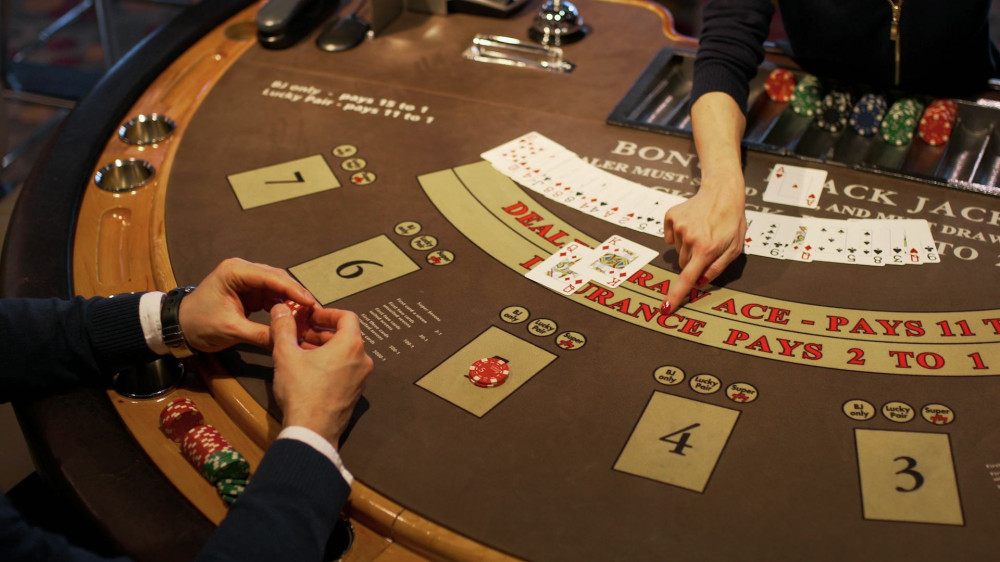
- Live poker—whether at a casino, a local card room, or a home game—offers a more social and immersive experience. You can read body language and enjoy the atmosphere, but the pace is slower and the stakes are often higher.
Think about what motivates you most: speed and accessibility, or the social and emotional side of the game.
Focus on Fun, Not Just Winning
It’s tempting to focus on making money, but most players find poker most rewarding when they treat it as a challenge and a hobby. Set realistic goals—like improving your strategy, reading opponents better, or simply enjoying the game.
If you start feeling stressed or frustrated, take a break. Poker should be fun, not a source of pressure.
Læs også:

Master Your Bankroll Management
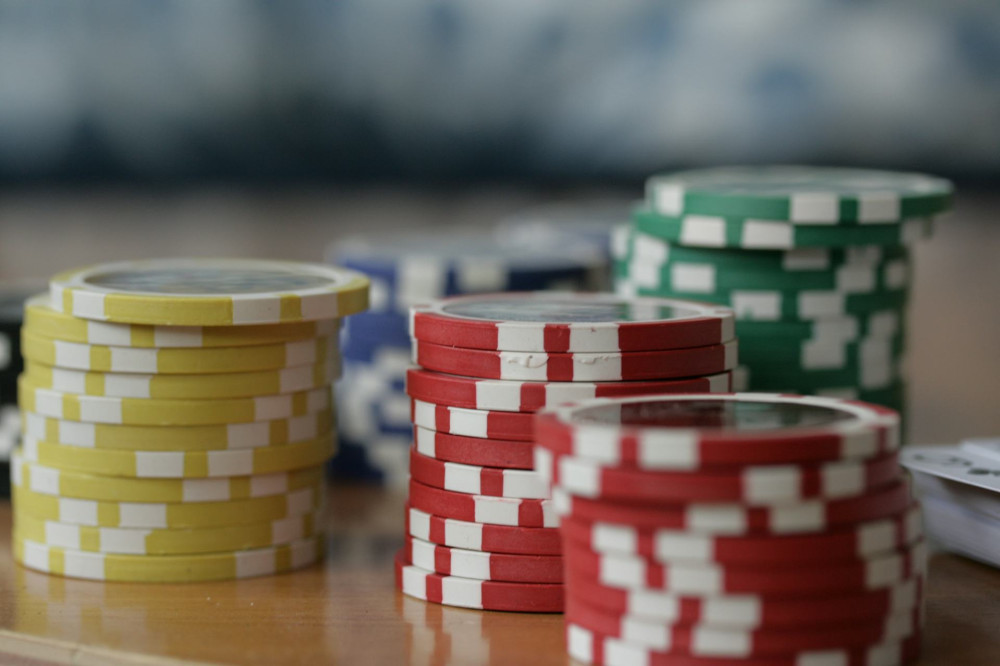
One of the most important poker principles is bankroll management—handling your poker funds wisely. A common guideline is to have at least 20–30 times the buy-in for the stakes you play. This cushion helps you weather natural ups and downs without going broke after a few bad hands.
Keep track of your results, too. Many players are surprised when they see how small losses can add up over time. By tracking your play, you’ll get a realistic picture of your performance and can adjust your strategy accordingly.
Find Your Level—and Enjoy the Game
There’s no single “right” poker game for everyone. Some players love small, friendly home games, while others thrive in online tournaments or live cash games. The key is to play at a level where you feel comfortable and energized, not stressed.
When you find the balance between budget, strategy, and enjoyment, poker becomes more than just a card game—it becomes an experience that challenges both your mind and your instincts.
Læs også: