The House Edge: The Underrated Factor in Roulette

The House Edge: The Underrated Factor in Roulette
Roulette is one of the most recognizable games in any casino. The spinning wheel, the bouncing ball, and the variety of betting options create an atmosphere of excitement and chance. Yet behind the glamour lies a mathematical truth that many players overlook: the house edge. It’s the built-in advantage that ensures the casino always comes out ahead in the long run—no matter how lucky you might feel in the moment.
What Is the House Edge?
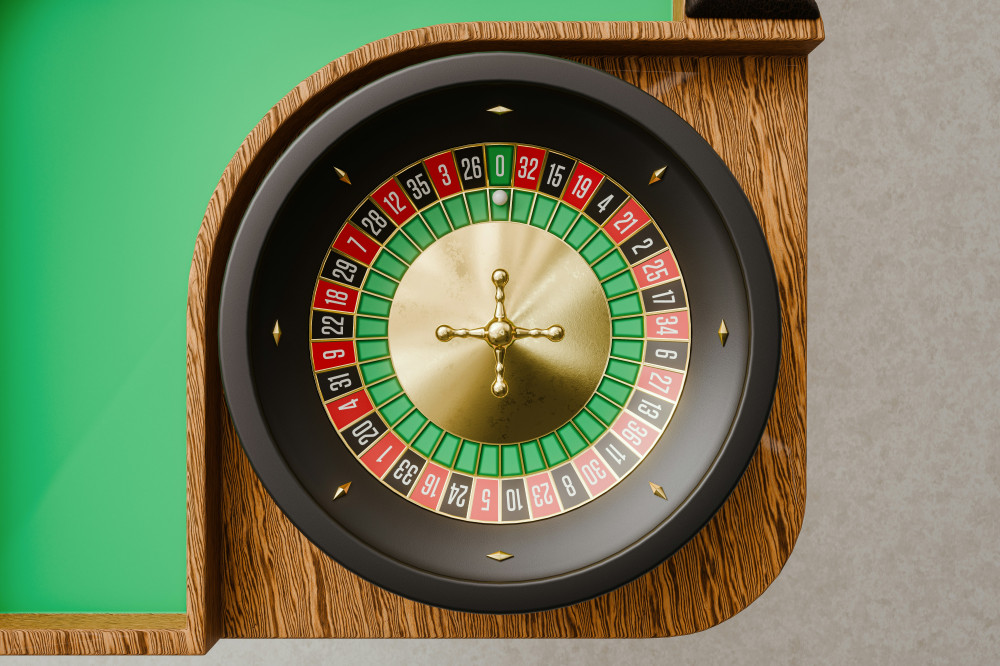
The house edge is the percentage of each bet that the casino expects to keep over time. In roulette, that percentage depends on which version of the game you’re playing. In European roulette, which has a single zero, the house edge is about 2.7%. In American roulette, which includes both a zero and a double zero, the edge jumps to roughly 5.26%.
That doesn’t mean you lose 5% of your money every time you play. It means that over thousands of spins, the casino will statistically retain that portion of all wagers. In the short term, you can absolutely win—but over time, the math always catches up.
Why Does the House Edge Exist?
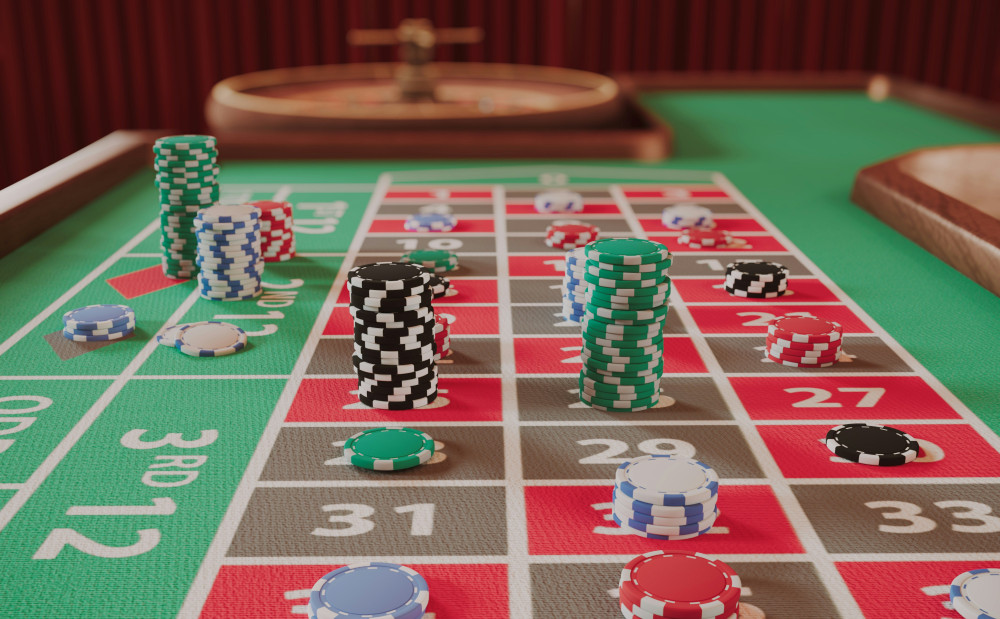
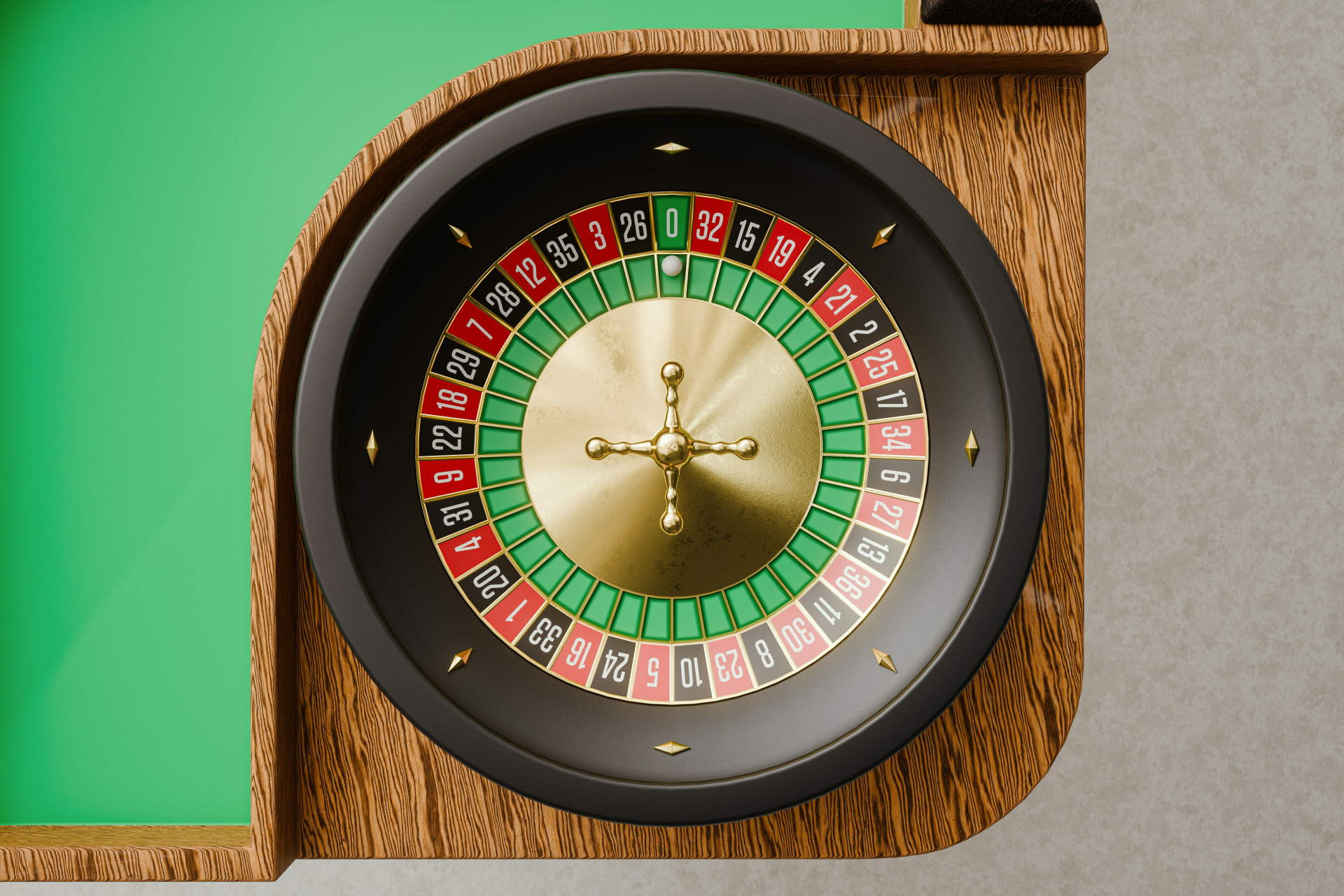
The house edge is built into the game’s design. In European roulette, there are 37 pockets (numbers 1–36 plus a single zero). A straight-up bet on one number pays 35 to 1, but the true odds of winning are 1 in 37. That small difference between the payout and the actual probability is where the casino earns its profit.
The same principle applies to every other type of bet—red or black, odd or even, high or low. No matter how you play, the odds are always tilted slightly in the house’s favor.
The Psychological Trap
Many players underestimate the house edge because roulette feels random and fair. When the ball lands on red several times in a row, some believe black is “due” next. This is known as the gambler’s fallacy—the mistaken belief that past outcomes influence future ones in a game of pure chance. In reality, each spin is completely independent, with the same probabilities as the last.
Casinos are masters at amplifying this illusion of control. The lights, sounds, and social atmosphere all encourage players to trust their instincts or betting systems. But no matter how confident you feel, the underlying math never changes.
Can You Beat the House Edge?
Over the years, countless betting systems have promised to “beat” roulette—from the Martingale strategy, where you double your bet after each loss, to more elaborate patterns based on previous results. But none of these systems alter the fundamental probabilities. The house edge remains constant, regardless of your approach.
That doesn’t mean you can’t play smart. Choosing European roulette over American roulette immediately cuts the house edge nearly in half. Setting limits on your time and budget helps you enjoy the game without chasing losses. Roulette should be seen as entertainment, not as a path to profit.
Læs også:

The Value of Understanding the Odds
Understanding the house edge isn’t about taking the fun out of the game—it’s about playing with awareness. When you know how the odds work, you can make informed decisions and avoid falling for the illusion of control.
Roulette combines chance, tradition, and excitement like few other games. But beneath every spin lies a simple mathematical truth: the house always has a small advantage. The players who recognize that fact don’t necessarily play less—they just play smarter.
Læs også: