Learn the Language of Roulette: Key English and French Terms Explained


Learn the Language of Roulette: Key English and French Terms Explained
Roulette is one of the most iconic casino games in the world—a blend of elegance, suspense, and pure chance. But for many new players, the language of roulette can seem mysterious. The table is covered with French and English terms that may be confusing if you don’t know what they mean. This article will guide you through the essential expressions so you can feel confident at the table—whether you’re playing online or at a casino in Las Vegas or Atlantic City.
Two Languages, One Tradition
Roulette originated in France in the 18th century, and many of its original terms are still in French. As the game spread to England and later to the United States, English terminology was added, especially in the American version of the game. Today, both languages coexist, depending on where and how you play.
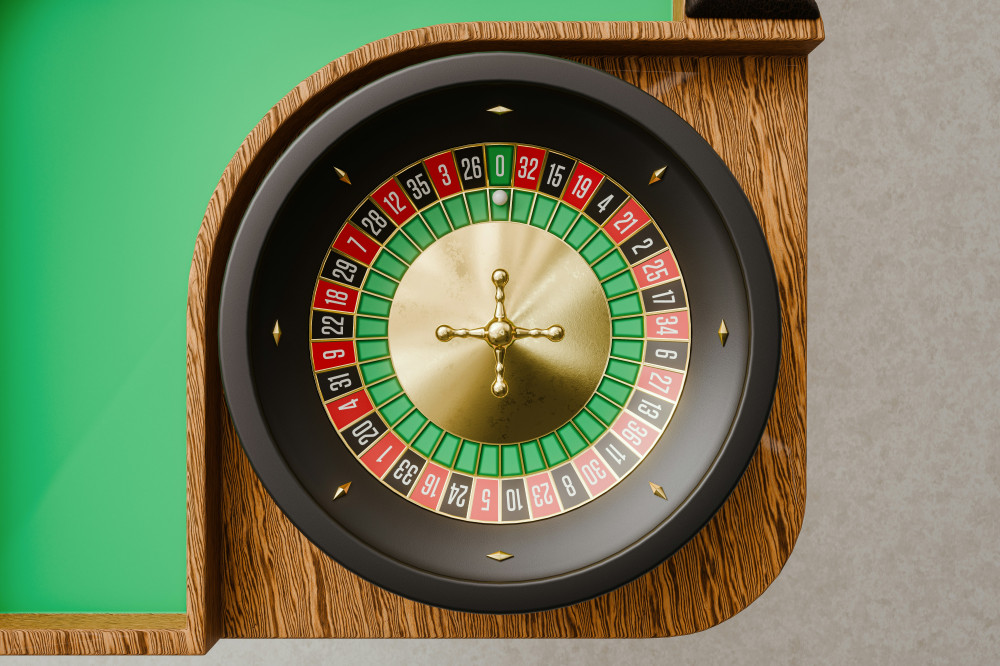
The classic French roulette and the more common European roulette share most of their terminology, while American roulette has a few differences—most notably an extra zero on the wheel. Still, the language of roulette remains part of its charm and tradition.
Key French Terms
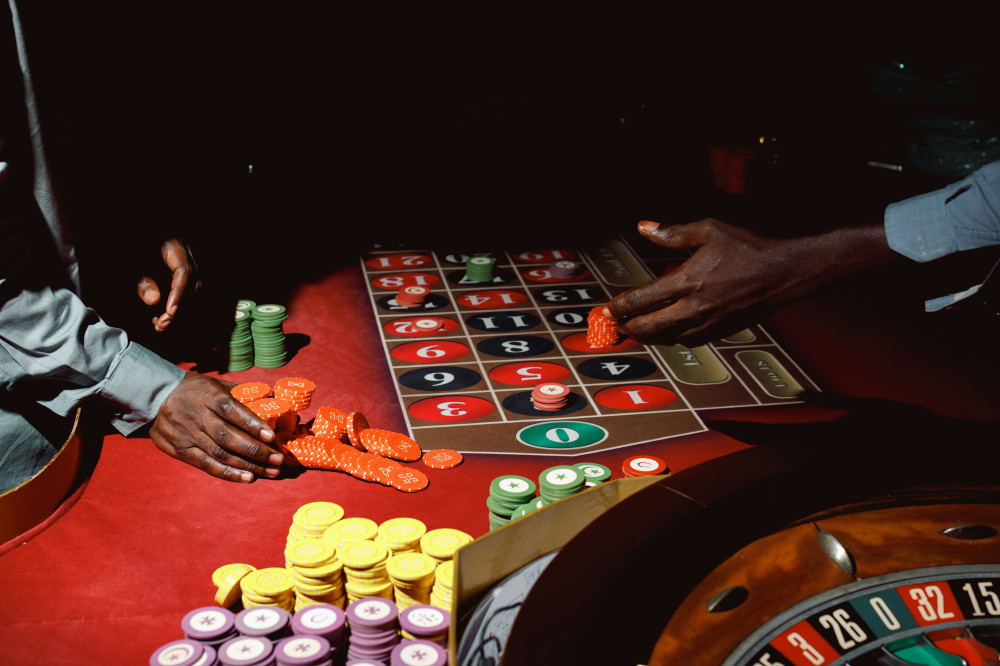
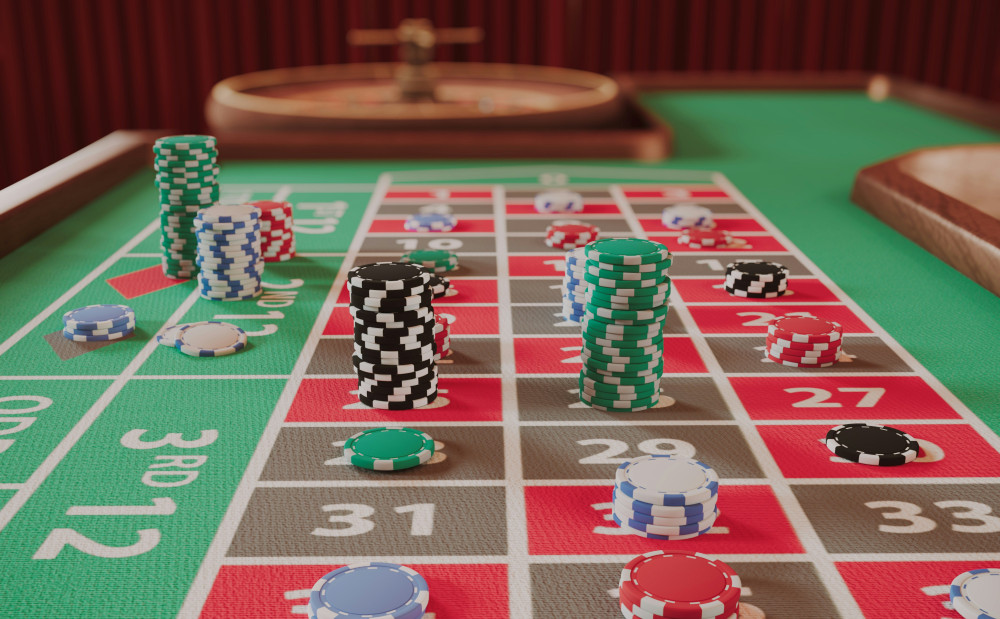
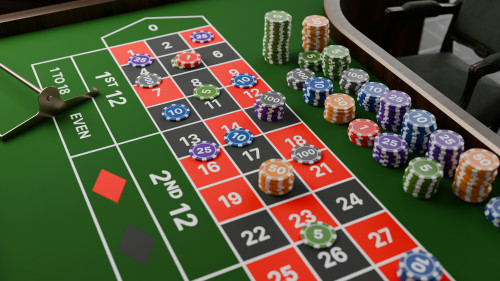
Even if you’re playing in an American casino, you’ll often see French words printed on the table layout. Here are some of the most common ones:
- En plein – A bet on a single number. In English, this is called a straight up bet.
- Cheval – A bet on two adjacent numbers, placed on the line between them. Known as a split bet in English.
- Transversale – A bet on a row of three numbers, placed at the end of the row. Equivalent to a street bet.
- Carré – A bet on four numbers that form a square, placed at the intersection of those numbers. In English, a corner bet.
- Douzaine – Literally “dozen,” covering 12 numbers at a time. There are three dozens on the table.
- Manque and Passe – Bets on low (1–18) and high (19–36) numbers, respectively.
- Rouge and Noir – Red and black. One of the simplest and most recognizable bets.
- Pair and Impair – Even and odd numbers.
These French expressions have survived for centuries and give the game a touch of European sophistication.
English Terms Every Player Should Know
In American casinos and most online versions, English terms are used almost exclusively. They describe the same types of bets as the French ones, just in a different language:
- Straight up – A single-number bet (en plein).
- Split bet – Two adjacent numbers (cheval).
- Street bet – Three numbers in a row (transversale).
- Corner bet – Four numbers forming a square (carré).
- Dozen bet – A bet on 12 numbers (douzaine).
- Low/High bet – Low (1–18) or high (19–36) numbers (manque/passe).
- Red/Black and Even/Odd – Color and parity bets, among the most popular choices.
Once you understand how the French and English terms correspond, the game’s vocabulary becomes much easier to follow—no matter which version you play.
Special Rules and Terms in French Roulette
French roulette includes a few unique rules that also come with their own names:
- La Partage – If the ball lands on zero, you get half your even-money bet back (such as red/black or even/odd).
- En Prison – Another zero rule: your even-money bet is “imprisoned” for the next spin. If you win on the next round, you recover your full stake.
These rules slightly improve the player’s odds compared to European or American roulette, which is one reason many enthusiasts prefer the French version.
American Roulette – A Different Wheel, a Different Feel
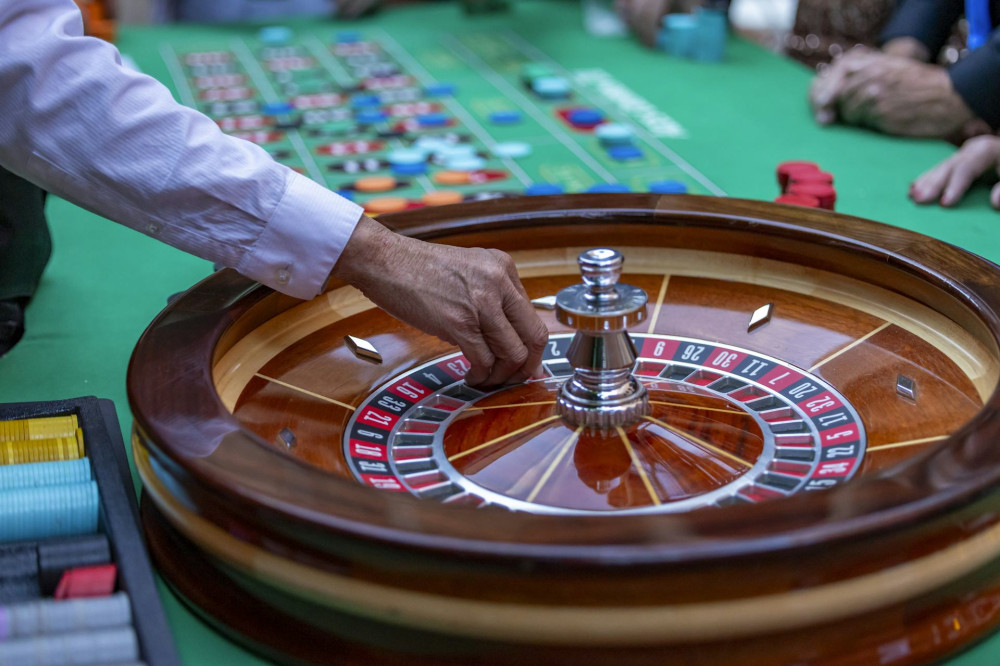
In American roulette, the wheel includes both a 0 and a 00. This extra green pocket changes the odds and gives the house a higher edge. The terminology is almost entirely in English, and the game tends to move at a faster pace. While the double zero makes it a bit tougher for players, many enjoy the energy and straightforward style of the American version.
Læs også:

How to Learn the Language in Practice
The best way to learn roulette terminology is by playing—ideally starting with free online versions where you can practice without risk. Pay attention to how the dealer (or croupier, as they’re called in French) announces results and how bets are placed. After a few rounds, you’ll find that the words start to make sense, and the language itself adds to the excitement of the game.
Roulette isn’t just a game of luck—it’s a game of tradition, style, and a shared vocabulary that connects players across countries and generations.
Læs også: