Patience and Self-Control: The Key to a Solid Roulette Strategy

Patience and Self-Control: The Key to a Solid Roulette Strategy
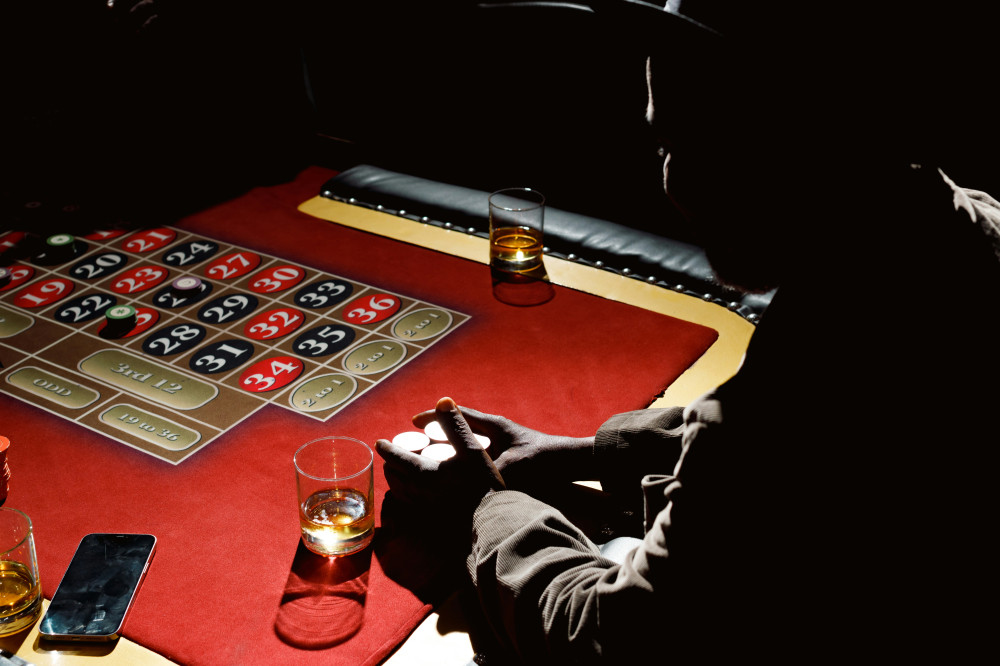
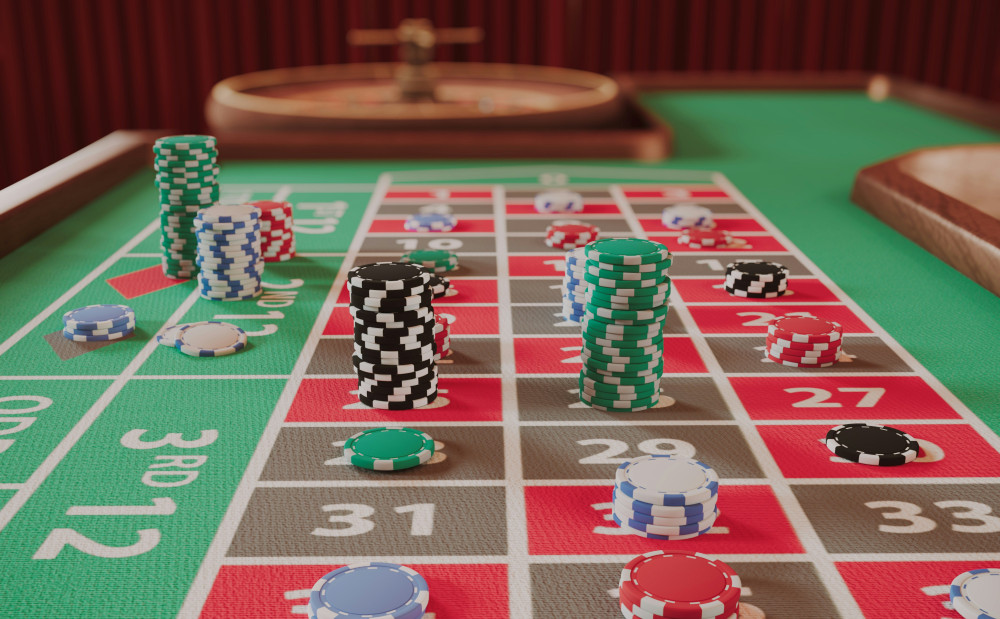
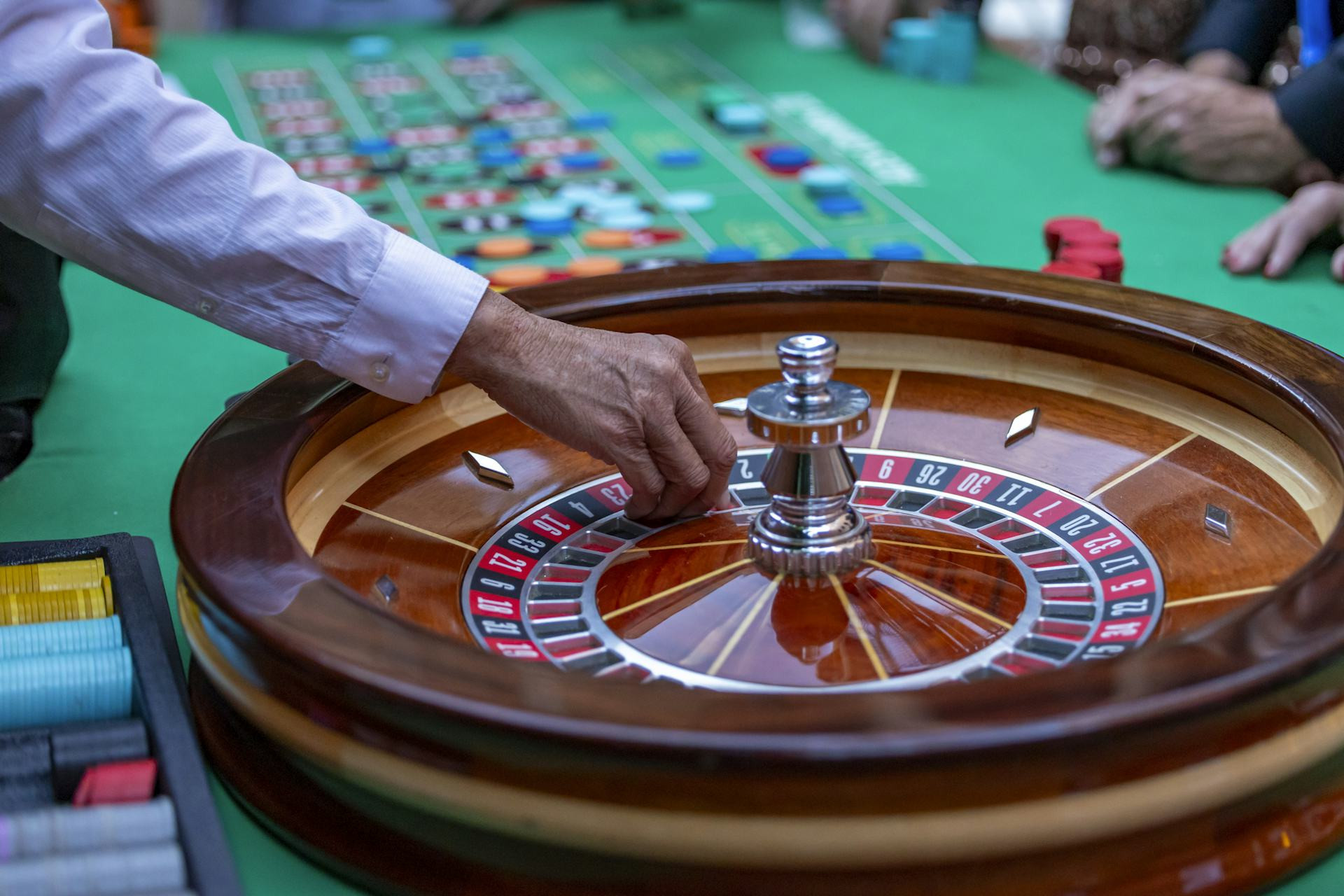
Roulette is one of the most iconic games in the casino world. The simple idea—predicting where the ball will land—has fascinated players for centuries. But behind the spinning wheel and flashing lights lies a truth that many overlook: success at roulette isn’t just about luck. It’s about patience and self-control. Without these two qualities, even the most carefully planned strategy can fall apart.
Understanding the Nature of the Game
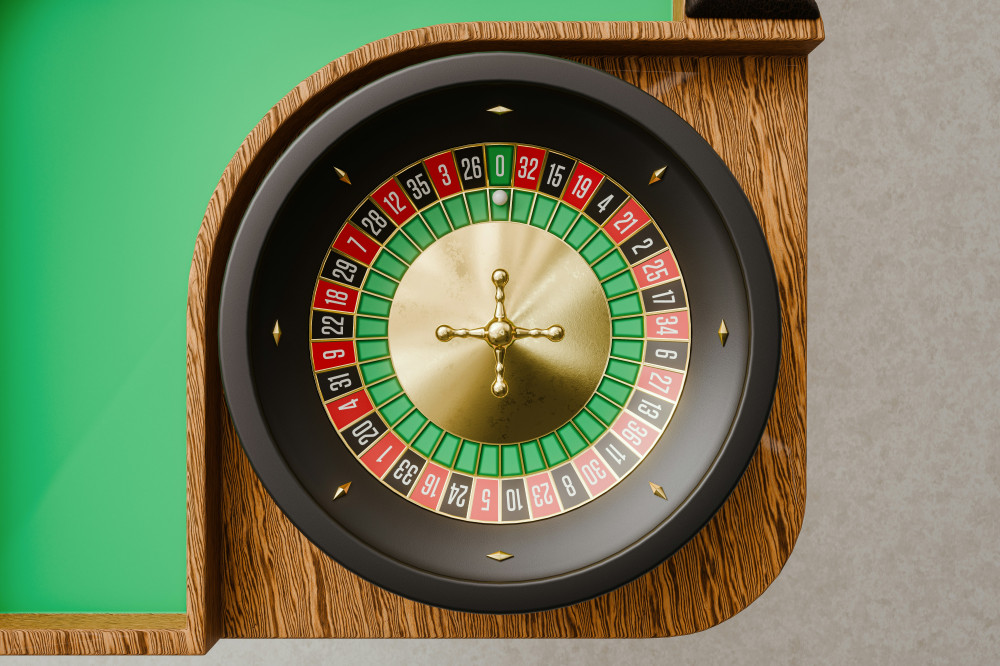
Roulette is built on probability, and the house always has an edge. Whether you’re playing American roulette with its double zero or the European version with a single zero, the odds are never entirely in your favor. No system can guarantee long-term profit. But that doesn’t mean you can’t play smart.
The first step toward a solid strategy is understanding the math behind the game and accepting its nature. Many players make the mistake of believing they can “beat the system.” In reality, the key is not controlling the wheel—it’s controlling yourself.
Patience: The Underrated Factor
Roulette can move quickly. The ball spins, bets are placed, and results come in seconds. That pace can tempt players into impulsive decisions. Patience, however, is what separates the disciplined player from the reckless one.
Being patient means sticking to your plan, waiting for the right moments, and not letting emotions dictate your bets. It’s easy to double down after a loss or chase a quick win, but those are the habits that drain bankrolls. The patient player knows that roulette is a long game. Winning every spin isn’t the goal—staying composed over time is.
Læs også:

Self-Control: Your Most Valuable Asset
Self-control is the ability to stop when you should and continue when it makes sense. It’s about setting limits—both in time and money—and respecting them. Many players don’t lose because they pick the wrong numbers; they lose because they lose control.
Before you sit down at the table, decide how much you’re willing to spend and how long you’ll play. When you hit your limit, walk away—no matter how close you think you are to a win. That discipline is what turns gambling from a stressful experience into an enjoyable one.
Strategies Built on Calm and Structure
There are countless roulette systems—Martingale, Fibonacci, D’Alembert, and others. Each has its logic, but none can overcome the house edge. What they all require, however, is patience and self-control. Without those, even the most mathematically sound system can fail.
A solid strategy isn’t about finding the “perfect” system. It’s about choosing an approach that fits your temperament. Some players prefer small, steady bets; others enjoy a more aggressive style. Whatever your method, the key is to play with a plan—and stick to it.
When Emotions Take Over
Roulette can stir strong emotions. The thrill when the ball lands near your number or the frustration of a losing streak can cloud your judgment. Recognizing your emotional state is crucial.
If you feel anxious, impatient, or overconfident, take a break. Step away from the table, get some fresh air, or switch to a different activity. Walking away isn’t a sign of weakness—it’s a sign of control.
Play for the Experience
At its best, roulette is entertainment. It’s about the excitement, the atmosphere, and the challenge of staying composed under pressure. When you play with patience and self-control, you not only protect your bankroll—you enhance your enjoyment of the game.
Mastering roulette isn’t about predicting where the ball will land. It’s about mastering yourself. The player who can stay calm while the wheel spins has already won in the most important way.
Læs også: