Volatility and Flow: Understanding How the Game’s Rhythm Shapes Your Playing Experience


Volatility and Flow: Understanding How the Game’s Rhythm Shapes Your Playing Experience
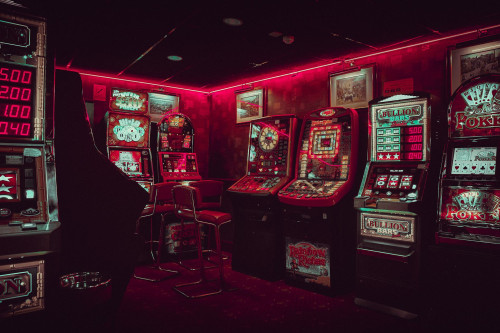
When you sit down to play a slot machine—whether at a casino in Las Vegas or on your phone at home—the way the game feels is rarely accidental. Some games deliver frequent, smaller wins that keep the action moving, while others build tension with long stretches of anticipation followed by a big payoff. This rhythm isn’t just about luck—it’s about the game’s volatility, a key factor that shapes your experience and sense of flow while playing.
In this article, we’ll explore what volatility means, how it influences your playing experience, and how understanding a game’s rhythm can help you choose the kind of gameplay that suits you best.
What Does Volatility Mean?
Volatility describes how often and how much a game pays out. It’s a measure of the game’s risk and tempo.
- Low volatility means you’ll win often, but the payouts are usually small.
- High volatility means wins are less frequent, but they can be much larger when they happen.
Imagine two different slot games: one gives you small wins almost constantly, keeping you engaged and feeling “in the game.” The other might go quiet for a while, but when it hits, it hits big. Both can be fun—but they appeal to different moods and playing styles.
Flow – When the Game Feels Effortless
The concept of flow comes from psychology. It describes that state where you’re completely absorbed in an activity—time seems to disappear, and everything feels natural and smooth.
In gaming, flow is about the balance between challenge and reward. If a game is too easy, it quickly becomes boring. If it’s too hard—or if the rewards come too rarely—you lose interest.
Volatility plays a big role here. A low-volatility game can create a steady flow, with frequent small wins that keep you engaged. A high-volatility game, on the other hand, can create a more intense, unpredictable flow—where excitement builds over time and every win feels like a major event.
How Rhythm Shapes Your Experience
Game developers carefully design rhythm and pacing to evoke specific emotions. The music, animations, and bonus features all work together to support the game’s volatility and create a cohesive experience.
- In low-volatility games, the rhythm is fast and consistent. You get many small wins, and the gameplay feels smooth and continuous.
- In high-volatility games, the rhythm is more dramatic. There may be long pauses between wins, but when they come, they’re often accompanied by flashing lights, sound effects, and a surge of excitement.
This rhythm doesn’t just affect your entertainment—it also influences how you play. Some players prefer a calm, steady pace, while others thrive on the thrill of big swings and high stakes.
Finding the Volatility That Fits You
Choosing a game isn’t only about the theme or graphics—it’s also about the kind of experience you want.
- Do you enjoy frequent small wins and a relaxed pace? Try low-volatility games. They offer a more stable experience and are great if you like to play for longer sessions.
- Do you crave excitement and big jackpots? High-volatility games might be your style. They require patience, but the rewards can be much more dramatic.
Many online casinos now list a game’s volatility in its description, making it easier to choose based on your preferences. It’s worth experimenting with different types to discover which rhythm feels most natural to you.
Læs også:

Balancing Excitement and Control
No matter what kind of game you play, balance is key. Flow can be a positive, immersive experience—but it can also make it easy to lose track of time and money.
Set clear limits for how long and how much you play. That way, you can enjoy the rhythm and excitement of the game without losing control.
Understanding volatility ultimately means understanding yourself as a player—what motivates you, what keeps you engaged, and how you can maintain a healthy, enjoyable relationship with gaming.
The Game’s Rhythm as an Experience
Volatility and flow are two sides of the same coin. One describes the game’s mathematical structure; the other, your personal experience. When they align, they create that special rhythm that makes a game truly engaging.
By recognizing the difference between high and low volatility, you can choose games that match your mood and playing style—and enjoy a more mindful, balanced gaming experience.
Læs også: