Behind the Scenes: How Design, Sound, and Code Shape the Gaming Experience

Behind the Scenes: How Design, Sound, and Code Shape the Gaming Experience
When we dive into a game—whether it’s a sprawling open-world adventure, a quick mobile puzzle, or an online slot—we rarely think about the layers of creativity and technology that make it all work. Every click, every sound, and every animation is the result of careful design, precise coding, and thoughtful sound engineering. But how do these elements come together to create the immersive experiences that keep us playing?
Design: Where Aesthetics Meet Function
Design is the first thing we notice when we start a game. It’s not just about good-looking graphics—it’s about building a world that feels intuitive, alive, and emotionally engaging. Great design guides players naturally, teaching them the rules through experience rather than explanation.
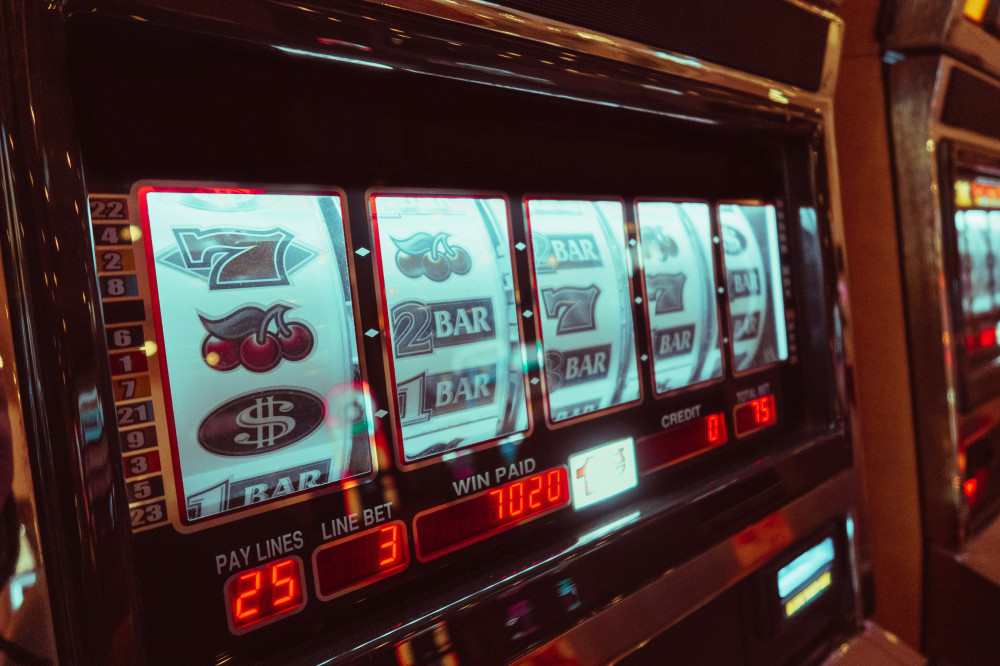
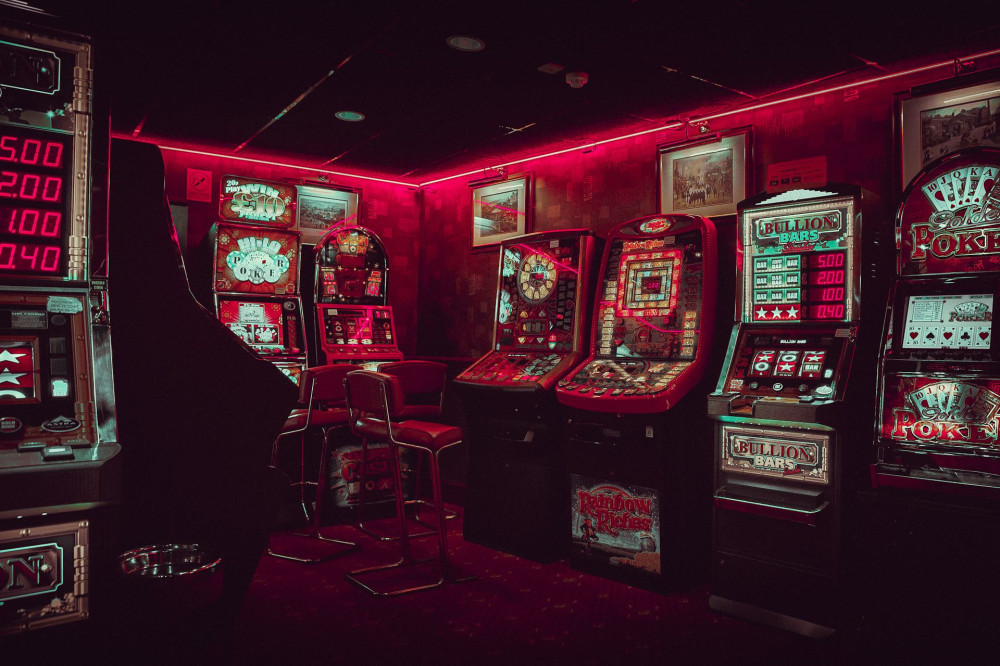
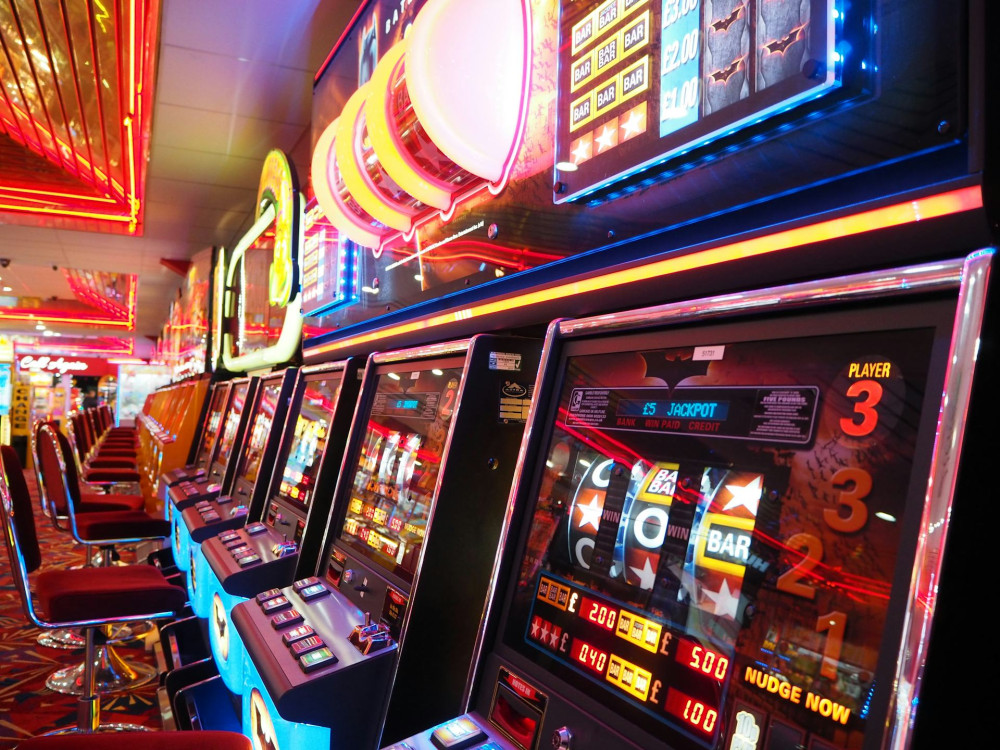
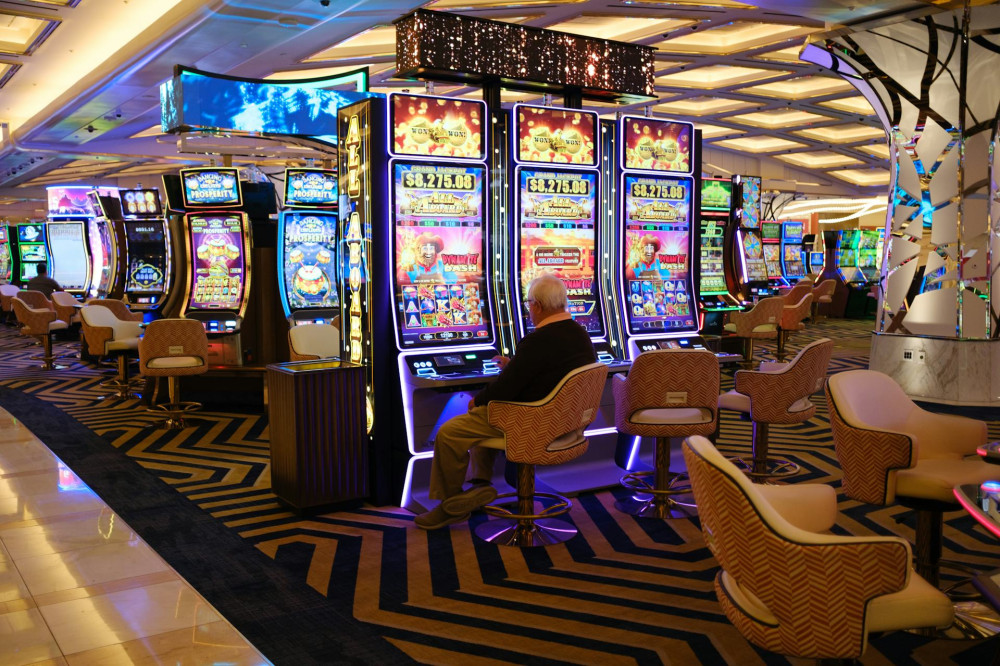
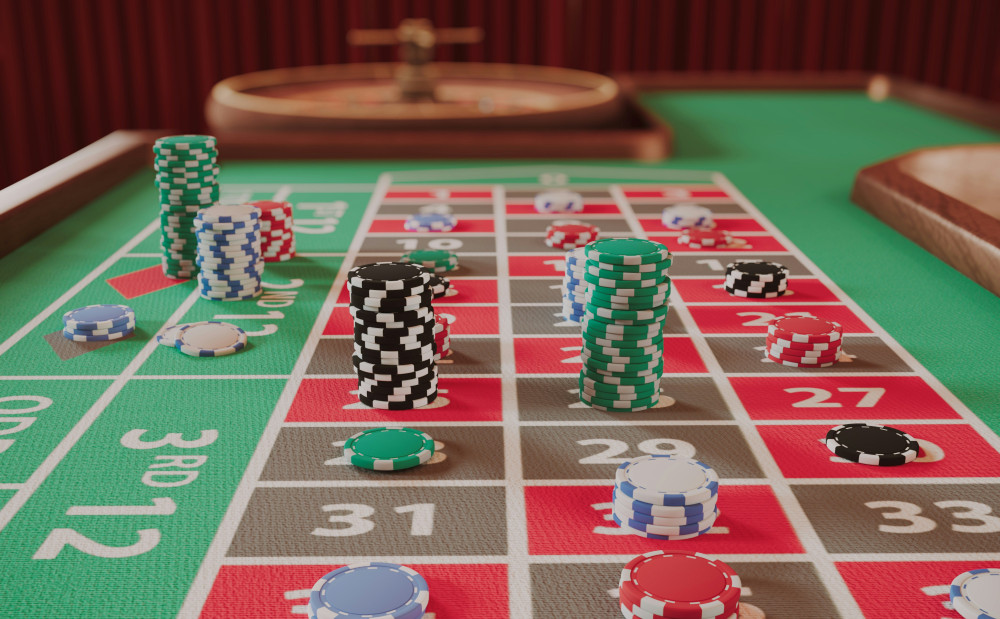
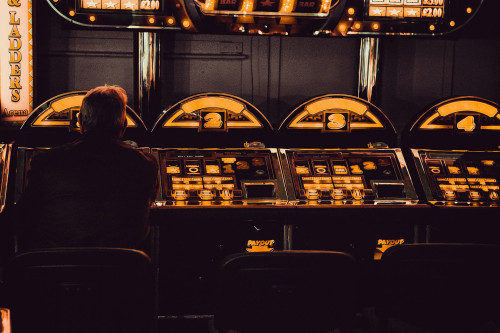
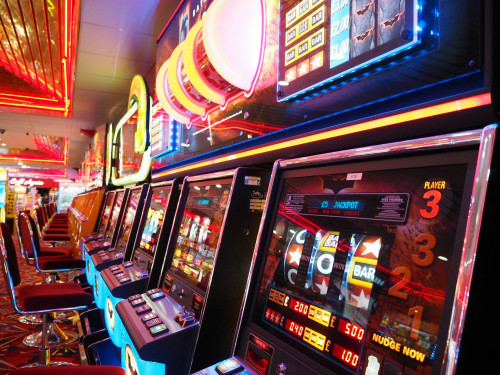
In modern online slots, for example, design covers everything from the look of the symbols to the motion of the reels and the color palette of the background. A theme like “ancient Egypt” or “outer space” isn’t just decoration—it sets the tone and pace of the game. Designers use color psychology, contrast, and animation to create an experience that’s both visually satisfying and easy to navigate.
The Role of Sound: The Invisible Storyteller
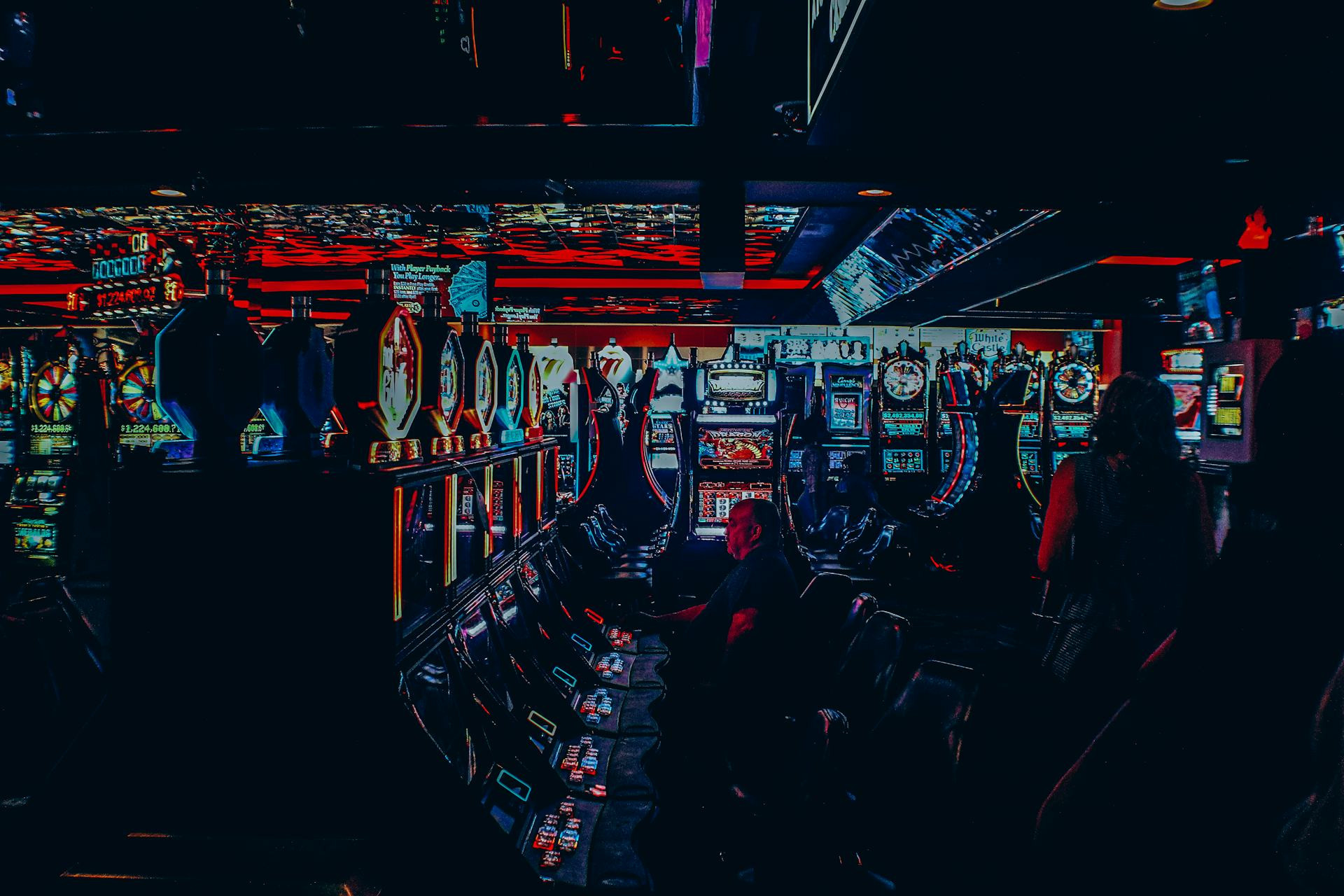
Sound is the glue that holds the experience together. It builds tension, signals rewards, and creates anticipation—often without players even realizing it. In casino games, sound effects are used to heighten the thrill of a win, mark transitions, and establish rhythm.
A subtle “click” when the reels stop, a short fanfare when you hit a bonus, or a background track that intensifies as the action builds—all of these are carefully tuned. Sound designers work with pitch, tempo, and repetition to craft an audio landscape that feels natural and exciting. The right sound can make even a simple game feel like an epic adventure.
Code: The Hidden Engine
Behind the visuals and sound lies the code—the invisible machinery that makes everything run smoothly. Programmers ensure that the game responds instantly to player actions, that animations flow seamlessly, and that random number generators (in slots, for instance) operate fairly and securely.
In online gaming, code also handles safety and transparency. It ensures that outcomes are truly random and that players can trust the system. This requires complex algorithms, rigorous testing, and constant optimization so that games run quickly and reliably on any device—whether it’s a PC, tablet, or smartphone.
The Harmony of All Elements
It’s only when design, sound, and code work together that a game truly comes to life. A beautifully designed game without good sound can feel flat, while a technically perfect game without visual appeal can quickly become dull. The best gaming experiences happen when all parts are in sync.
Think of a bonus round in an online slot: the screen changes color, the music shifts tempo, and the code activates new rules. The player feels the transition instantly—not because the game explains it, but because every sensory cue aligns to signal that something exciting is happening.
Læs også:
The Future of Gaming Experiences
Technology is evolving fast, and so is game design. Artificial intelligence is already being used to tailor experiences to individual players, while 3D audio and haptic feedback (vibrations and touch sensations) make gameplay more immersive than ever. In the near future, you might feel the spin of the reels through your phone or hear sound effects move around you in a fully spatial environment.
But no matter how advanced the technology becomes, the heart of game development will always remain the same: creating experiences that feel alive, engaging, and fun. It’s the interplay between design, sound, and code that makes that magic possible.
Læs også: