Traditions and Rituals in Bingo – The Key to a Strong Community

Traditions and Rituals in Bingo – The Key to a Strong Community
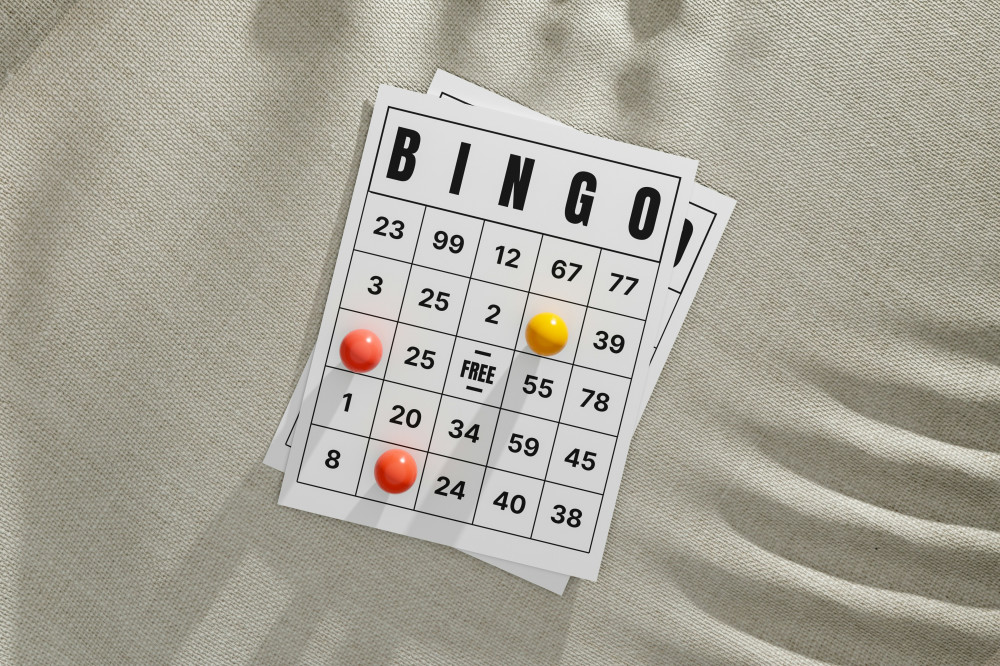
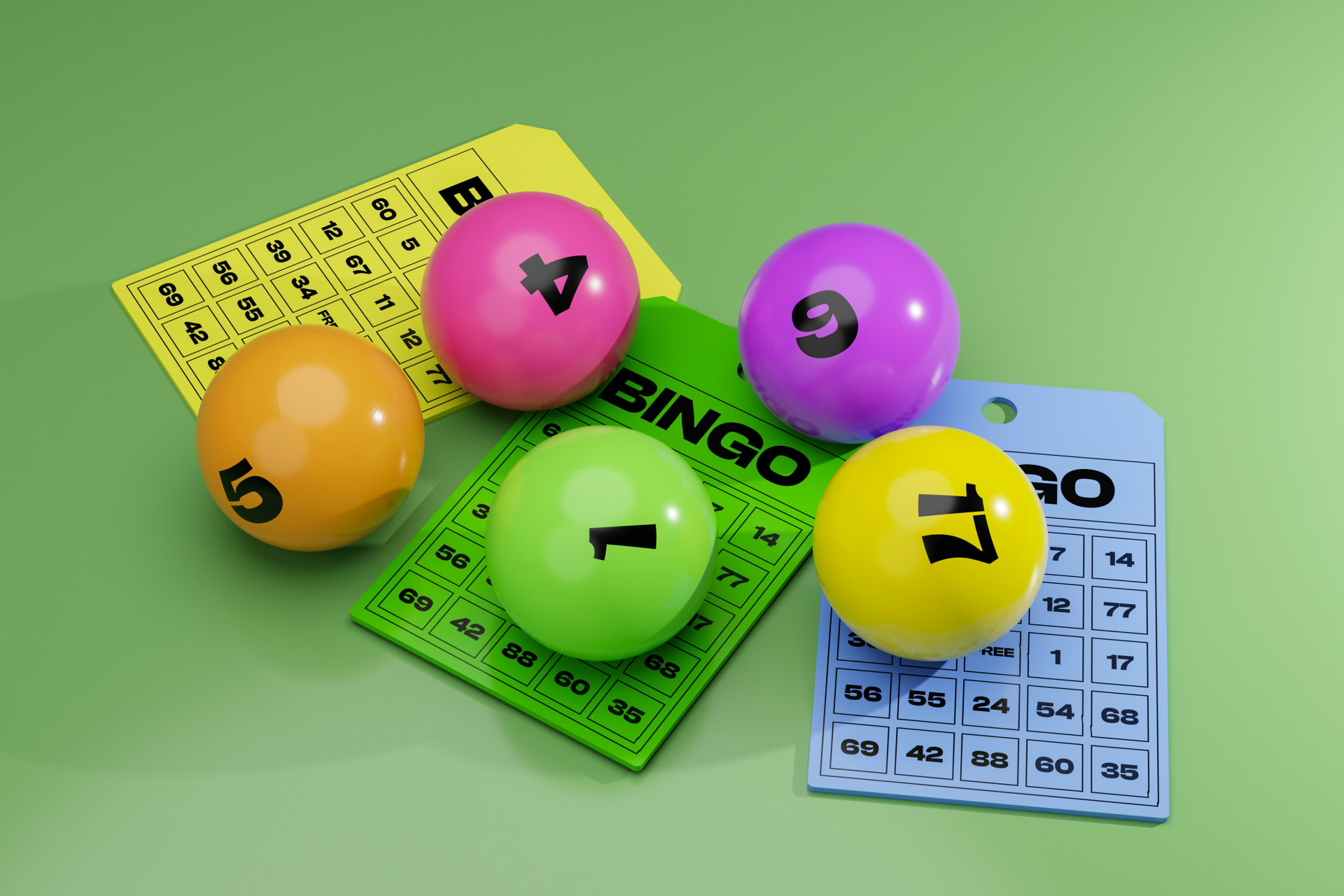
Bingo is far more than a game of numbers and cards. For many Americans, it’s a social ritual, a weekly highlight, and a tradition that connects people across generations. Behind the simple rules lies a world of customs, superstitions, and shared experiences that make bingo a cornerstone of community life.
A Game with Deep Roots
Bingo’s origins stretch back centuries, but in the United States, it became a cultural staple during the early 20th century. Church basements, community centers, and veterans’ halls turned into lively gathering spots where neighbors came together to play, chat, and raise funds for local causes. The prizes were modest, but the sense of belonging was priceless.
Even today, as online bingo grows in popularity, the traditional rituals remain strong. Many players still cling to the same habits their parents or grandparents had: sitting in the same seat every week, using a lucky dauber, or bringing a small charm to the table for good fortune.
Læs også:

Rituals That Build Connection
To outsiders, these habits might seem trivial, but for regular players, they’re part of what makes bingo special. Rituals create comfort, continuity, and a sense of identity within the group.
- The favorite seat: Many players insist on sitting in the same spot each week. It’s their “lucky place” and a symbol of belonging.
- Lucky charms: From rabbit’s feet to family photos, small tokens often sit beside the bingo cards, believed to bring good luck.
- Shared expressions: When someone is one number away, you might hear a playful “One away!” followed by laughter and encouragement from the crowd.
These small traditions form an unspoken code of community. Everyone knows the rhythm, the jokes, and the etiquette that make the game feel like home.
Bingo as a Social Anchor
For countless Americans, bingo night is more than entertainment—it’s a social lifeline. It’s where friendships are formed, local news is exchanged, and laughter fills the room between rounds. For seniors, it can be a vital source of connection; for younger players, it’s a nostalgic link to family and hometown traditions.
In many towns, bingo halls function as miniature communities. Newcomers are welcomed warmly, and regulars look out for one another. The game’s inclusive nature—where everyone plays on equal footing—creates a rare space where age, background, and status fade away.
From the Hall to the Screen
The digital age has transformed how people play, but not why they play. Online bingo rooms have become virtual communities where players chat, celebrate wins, and share stories in real time. The same sense of camaraderie that once filled church halls now thrives in chat boxes and video calls.
Many online platforms even preserve traditional elements: friendly hosts, themed nights, and digital rituals like sending emojis instead of shouting “Bingo!” The technology may be new, but the spirit remains the same.
A Tradition That Bridges Generations
One of bingo’s greatest strengths is its ability to bring generations together. Grandparents teach their grandchildren the game, families gather for holiday bingo nights, and community events keep the tradition alive year after year. It’s a pastime that adapts to the times while preserving its heart—connection, excitement, and joy.
Look around any bingo hall—or scroll through an online game—and you’ll see it: bingo isn’t just about winning. It’s about belonging.
The Game of Community
The traditions and rituals of bingo are more than quirks; they’re expressions of our shared human need for connection and continuity. They remind us that even in a fast-changing world, simple routines can hold people together.
In the end, bingo is not just a game of chance. It’s a celebration of community—of laughter, friendship, and the small traditions that turn a pastime into a shared way of life.
Læs også: