Learn Through Play: How Bingo Can Be Used as an Educational Tool in the Classroom

Learn Through Play: How Bingo Can Be Used as an Educational Tool in the Classroom
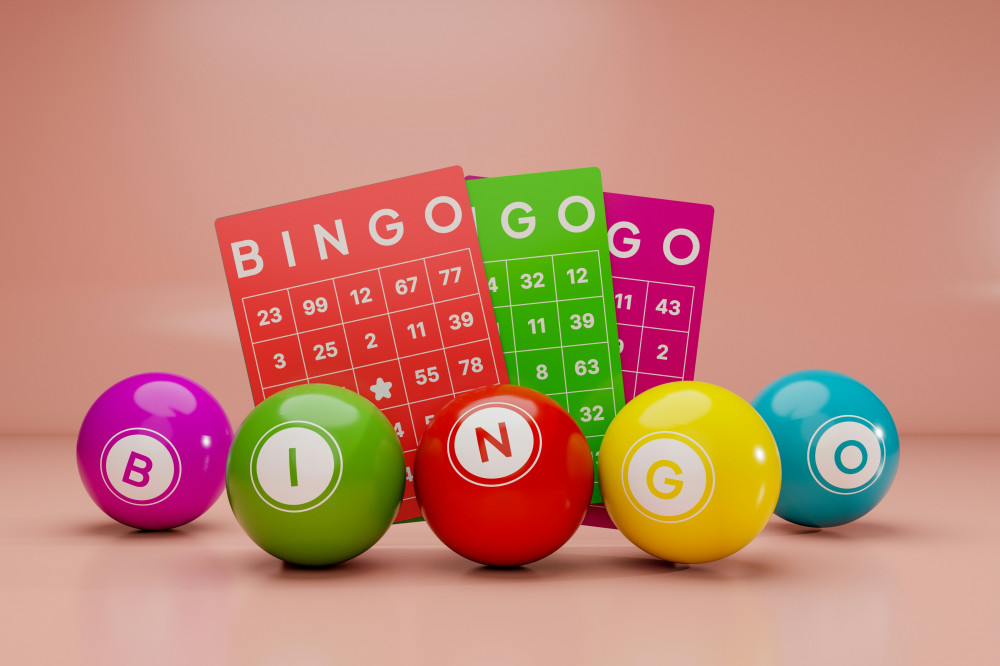
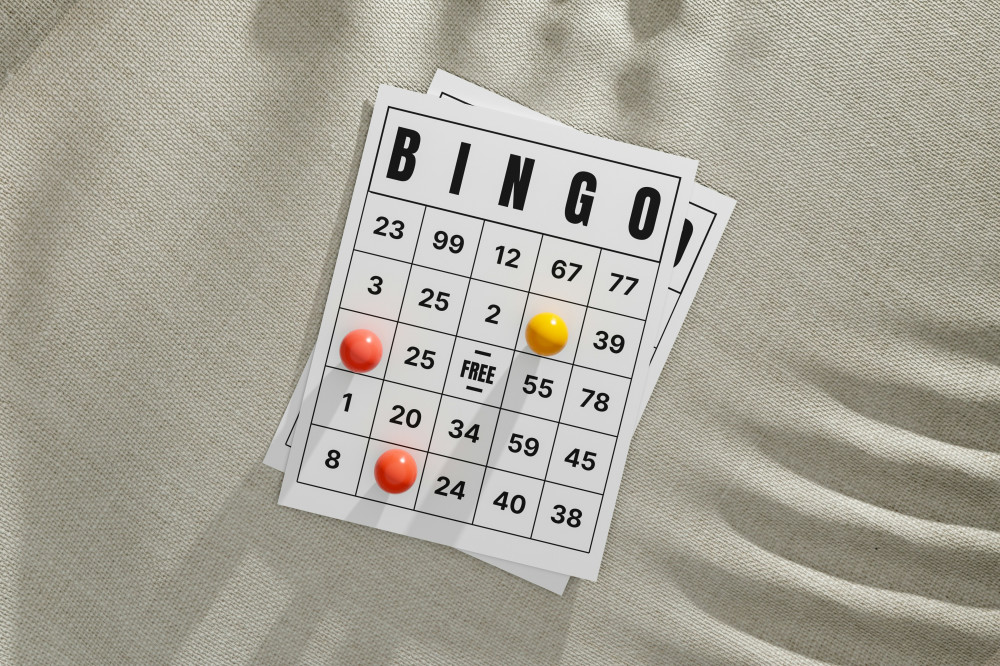
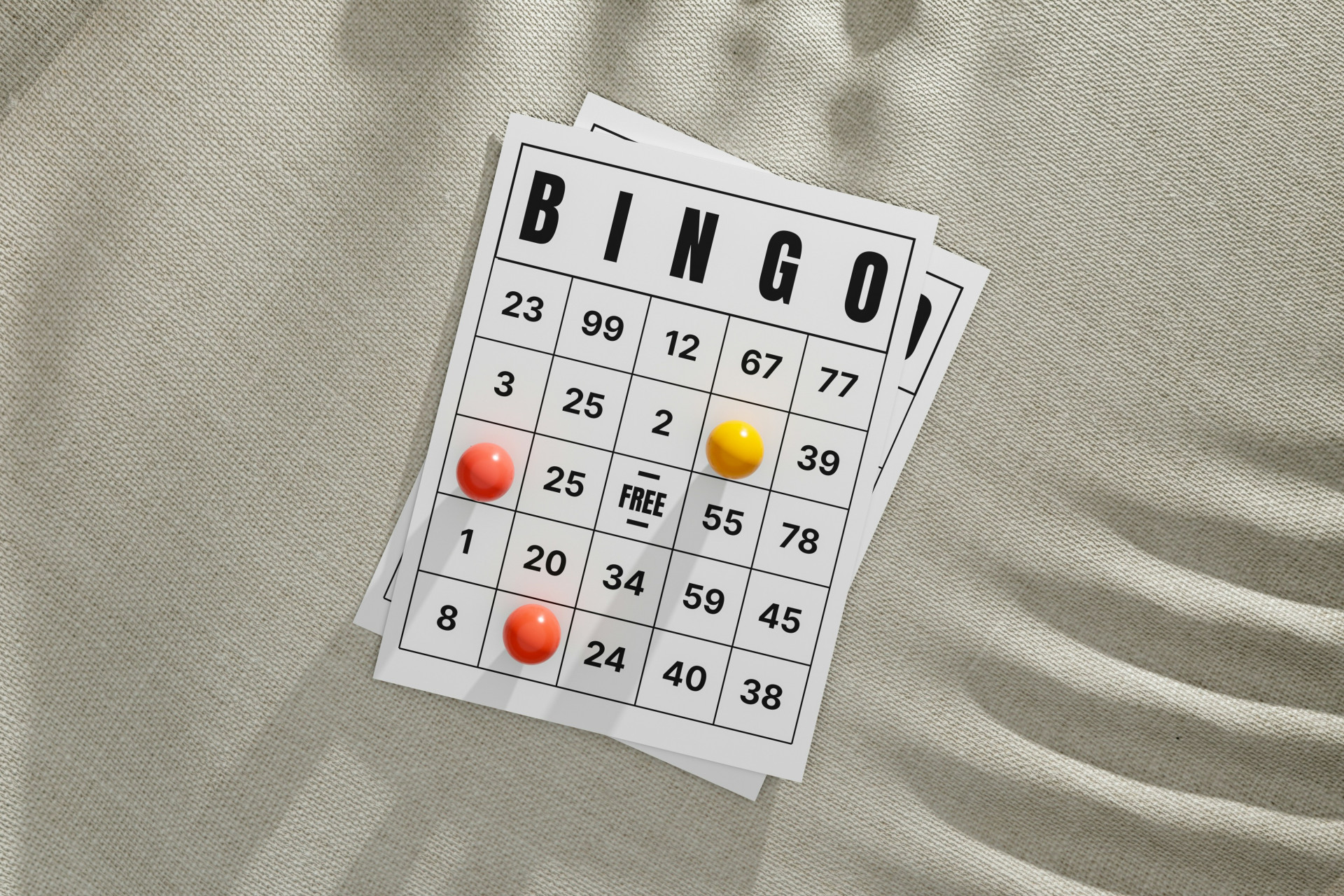
For most people, bingo brings to mind community halls, numbers, and prizes—but the game can be much more than entertainment. In the classroom, bingo can serve as an engaging and effective learning tool that promotes participation, collaboration, and retention. When students play, they learn actively, and learning becomes fun. Here’s how teachers can use bingo as an educational resource across subjects and grade levels.
Why Bingo Works in the Classroom
Bingo taps into students’ natural love of play and friendly competition. The game energizes the classroom and can be adapted to almost any subject area. Because students must listen, think, and respond quickly, bingo strengthens focus, memory, and comprehension.
It’s also easy to differentiate. Teachers can adjust the level of difficulty so that all students—from early elementary to high school—can participate. That flexibility makes bingo a versatile tool for introducing new topics, reviewing material, or assessing understanding.
How to Create Your Own Learning Bingo
Creating an educational bingo game doesn’t require much preparation. The basic idea is the same as traditional bingo—but instead of numbers, the squares can contain words, images, concepts, or questions.
- Choose a theme – for example, vocabulary words, math facts, or historical events.
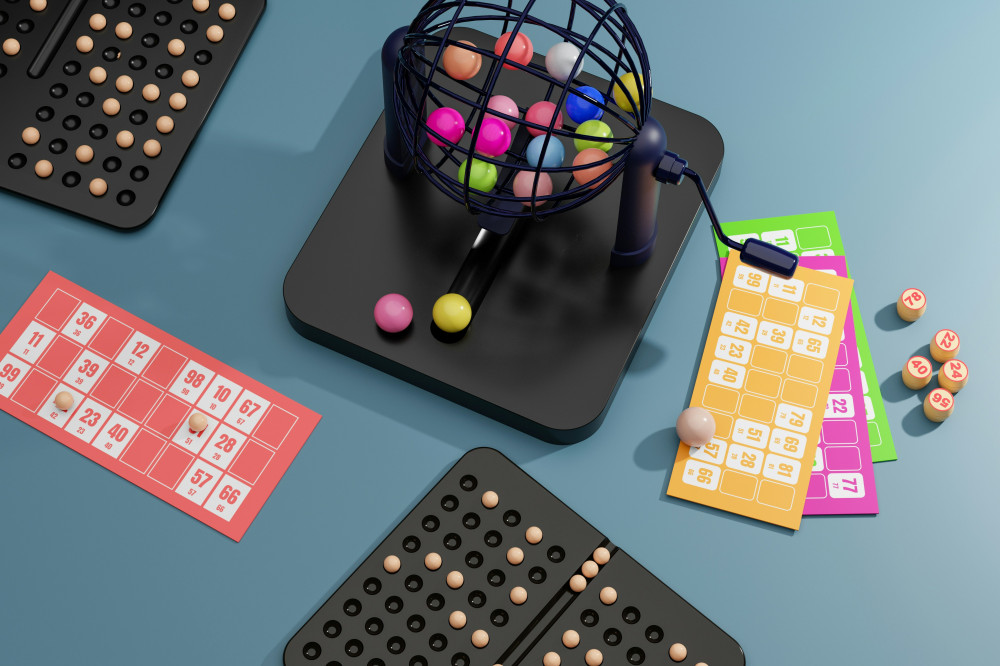
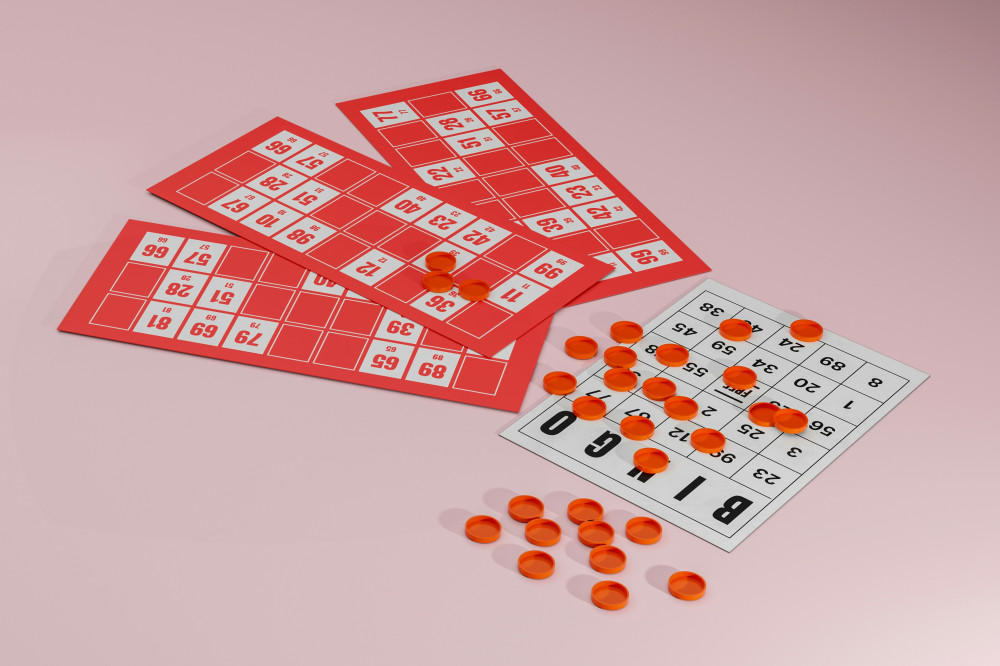
- Create bingo cards – use online templates or make your own in a spreadsheet.
- Prepare prompts or questions – the teacher reads clues, shows pictures, or asks questions that students match to their cards.
- Play and discuss – when a student gets a bingo, use the opportunity to review the answers and reinforce the lesson.
It’s even more effective when students help design the cards themselves. This gives them ownership of the activity and deepens their understanding as they decide which words or ideas fit the theme.
Læs også:
Examples Across Subjects
Language Arts: Use bingo to practice parts of speech, synonyms, or spelling. The teacher might call out “a verb,” and students mark a word like “run” or “write” on their cards.
Math: Create cards with answers, and read math problems aloud. Students find the correct result. Bingo can also be used for geometry—students identify shapes, angles, or formulas.
Science: Review key terms such as “evaporation,” “photosynthesis,” or “ecosystem.” Bingo helps reinforce vocabulary and concepts before a test.
Social Studies: Use bingo to review historical figures, events, or dates. It’s a lively way to make review sessions more interactive.
Foreign Languages: Combine pictures and vocabulary words. The teacher says a word in the target language, and students mark the corresponding image or translation.
Bingo as a Social and Inclusive Activity
Beyond academics, bingo helps build classroom community. The game encourages patience, turn-taking, and respect. Students who are usually quiet or hesitant can experience success and participate on equal footing with their peers.
For students with special needs, bingo offers a structured and visually clear way to engage in lessons. Teachers can easily adapt the game to individual learning styles, making it an inclusive activity for everyone.
Digital Possibilities
As classrooms become more digital, there are many online tools that make it easy to create and play bingo. Platforms like BingoBaker, Wordwall, or Google Slides allow teachers to design interactive games that students can play on laptops, tablets, or smartboards.
Digital bingo can be saved, reused, and shared with colleagues. It’s also ideal for remote or hybrid learning, keeping students connected and engaged even outside the classroom.
Turning Learning Into Play
When learning is combined with play, motivation increases. Bingo is a simple yet powerful way to add variety to lessons and give students a sense of achievement. It requires minimal preparation but can have a big impact—academically and socially.
So next time you plan a lesson, consider adding a round of bingo. It might just be the key to making learning a little more joyful—and a lot more memorable.
Læs også: