Probability Without Formulas: Understanding Odds Through Casino Game Examples

Probability Without Formulas: Understanding Odds Through Casino Game Examples
Probability might sound like something reserved for math class, but in reality, it’s part of everyday life—especially when it comes to games of chance. Casino games like roulette, blackjack, and slot machines are built entirely on probability. By understanding how odds work—without diving into formulas—you can get a clearer sense of what’s really happening when you play. Here’s how you can grasp the basics of probability through familiar casino examples.
Roulette: The Wheel of Chance
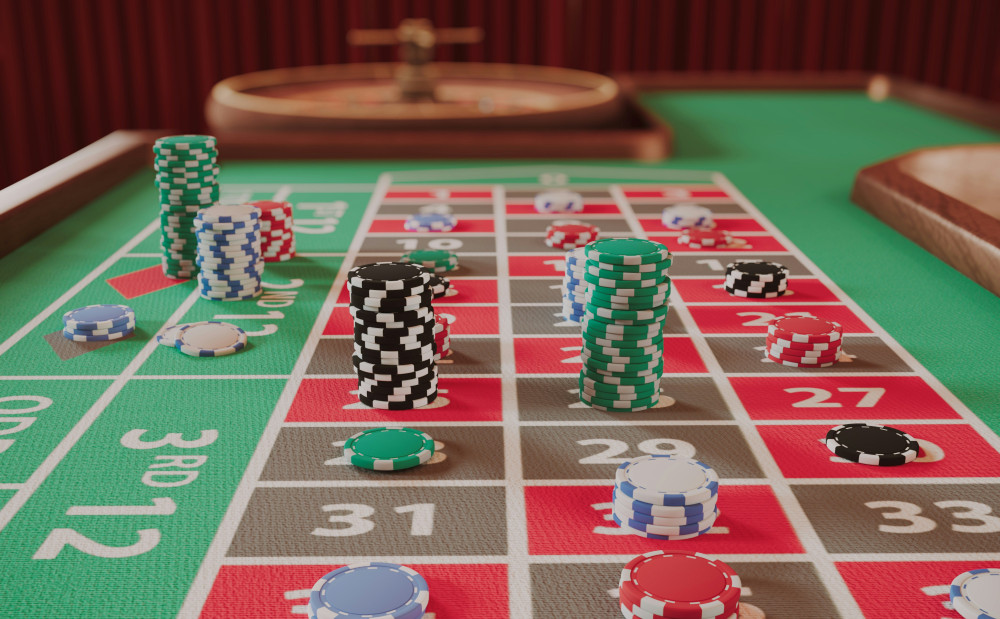
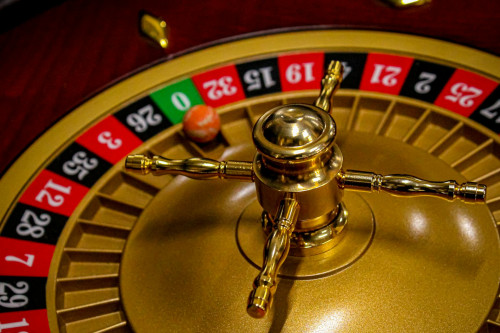
Roulette is one of the clearest examples of pure randomness in action. You watch the ball spin around the wheel, and it could land on any number. But what does that mean for your chances?
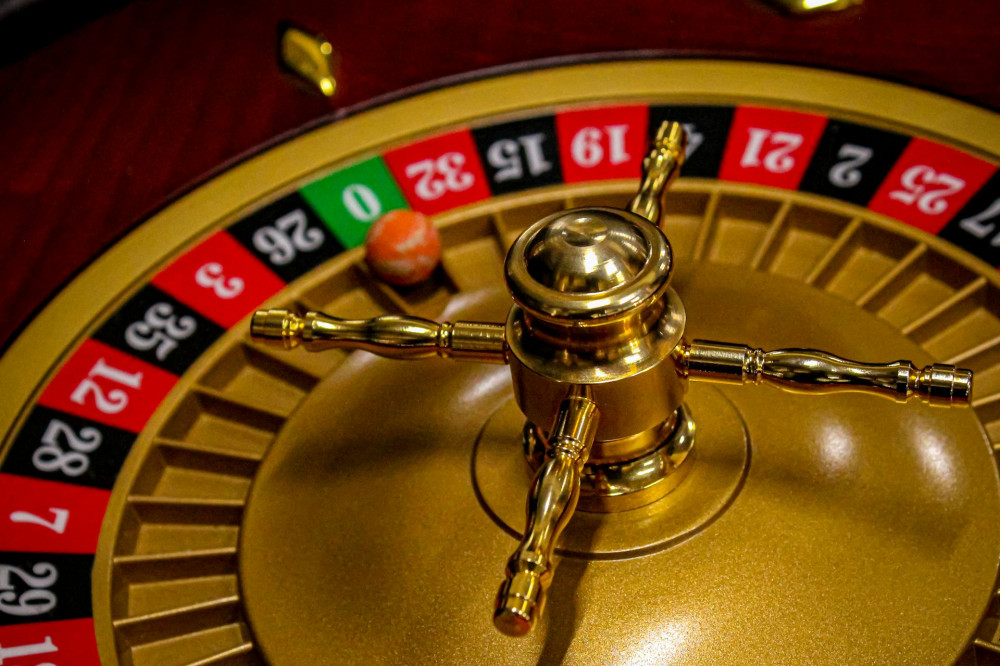
Imagine you bet on red. On an American roulette wheel, there are 18 red pockets, 18 black pockets, and two green ones (0 and 00). That means there are slightly more ways to lose than to win. The difference is small enough that the game feels fair, but that tiny edge is what ensures the casino always comes out ahead in the long run. You might win several spins in a row, but over time, the house advantage adds up.
Roulette shows that probability isn’t about predicting the next outcome—it’s about understanding how results balance out over many spins.
Slot Machines: When Luck Rules Everything
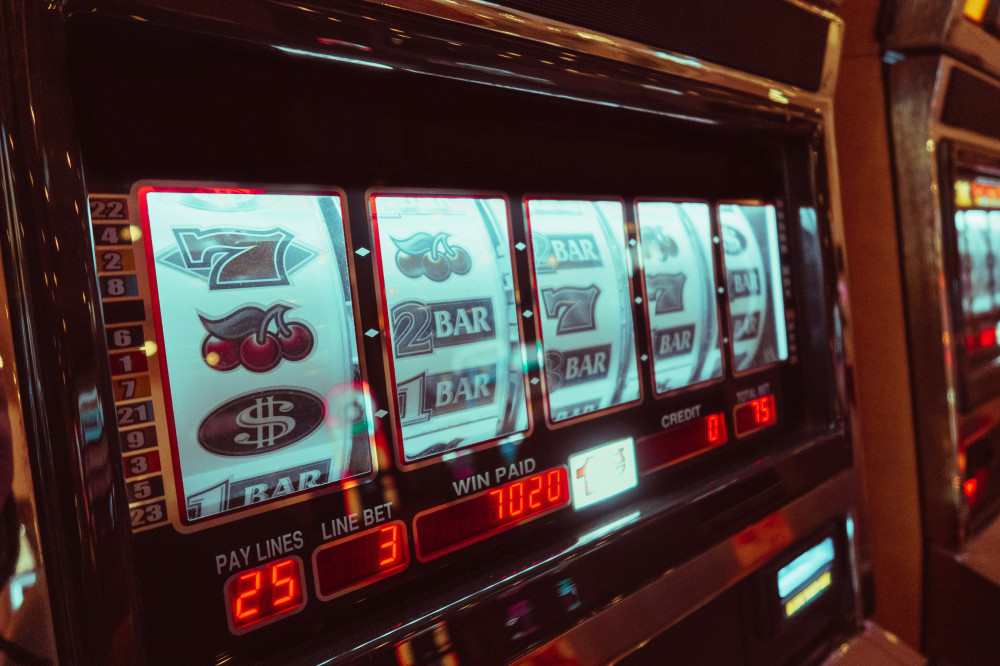
Slot machines—whether in Las Vegas or online—are the ultimate example of pure chance. Every time you hit “spin,” a random number generator decides which symbols appear. The machine doesn’t remember your previous spins, and it doesn’t “owe” you a win after a losing streak.
Each spin is completely independent, just like flipping a coin over and over. What you can look at, though, is the machine’s payout percentage, often called the “return to player” (RTP). A slot with a 96% RTP means that, on average, it pays back $96 for every $100 wagered—but that’s an average over thousands of spins, not a promise for your next one.
Understanding this helps you see that slots are about entertainment, not strategy. The outcome is random, and that’s what makes them exciting—but also unpredictable.
Læs også:
Blackjack: When Strategy Meets Probability
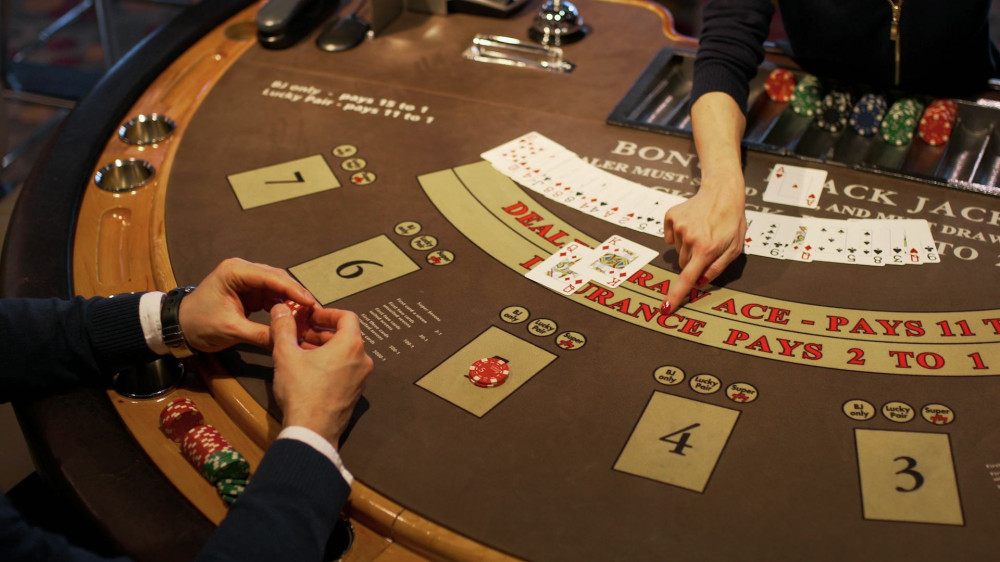
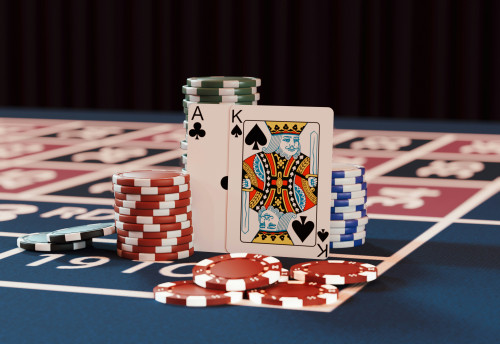
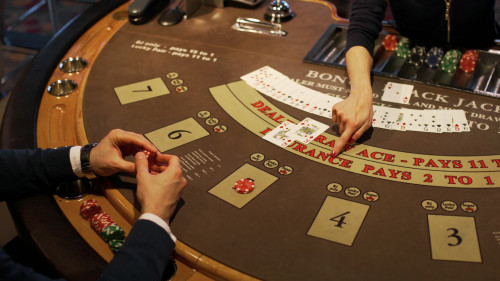
Unlike roulette or slots, blackjack is a game where your decisions actually matter. The goal is to get as close to 21 as possible without going over, while beating the dealer’s hand.
Even though the cards are shuffled randomly, you can use probability to make smarter choices. For example, if you have 16 and the dealer shows a high card, your chances of losing are high—but depending on the situation, hitting or standing can slightly improve your odds. Experienced players don’t rely on formulas; they rely on intuition built from understanding how likely certain cards are to appear.
Blackjack shows that probability isn’t just about luck—it’s about making decisions that give you the best chance to win over time.
Poker: Probability Meets Psychology
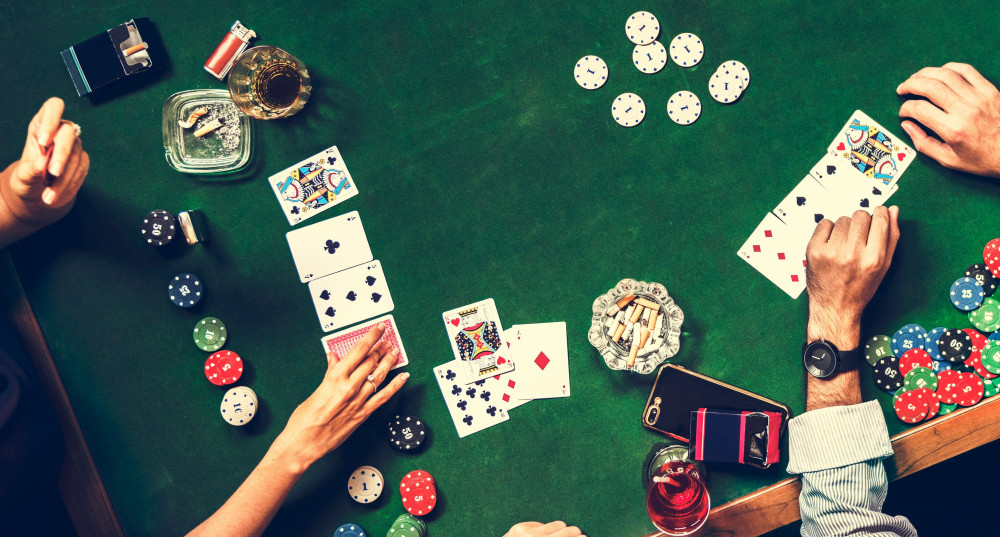
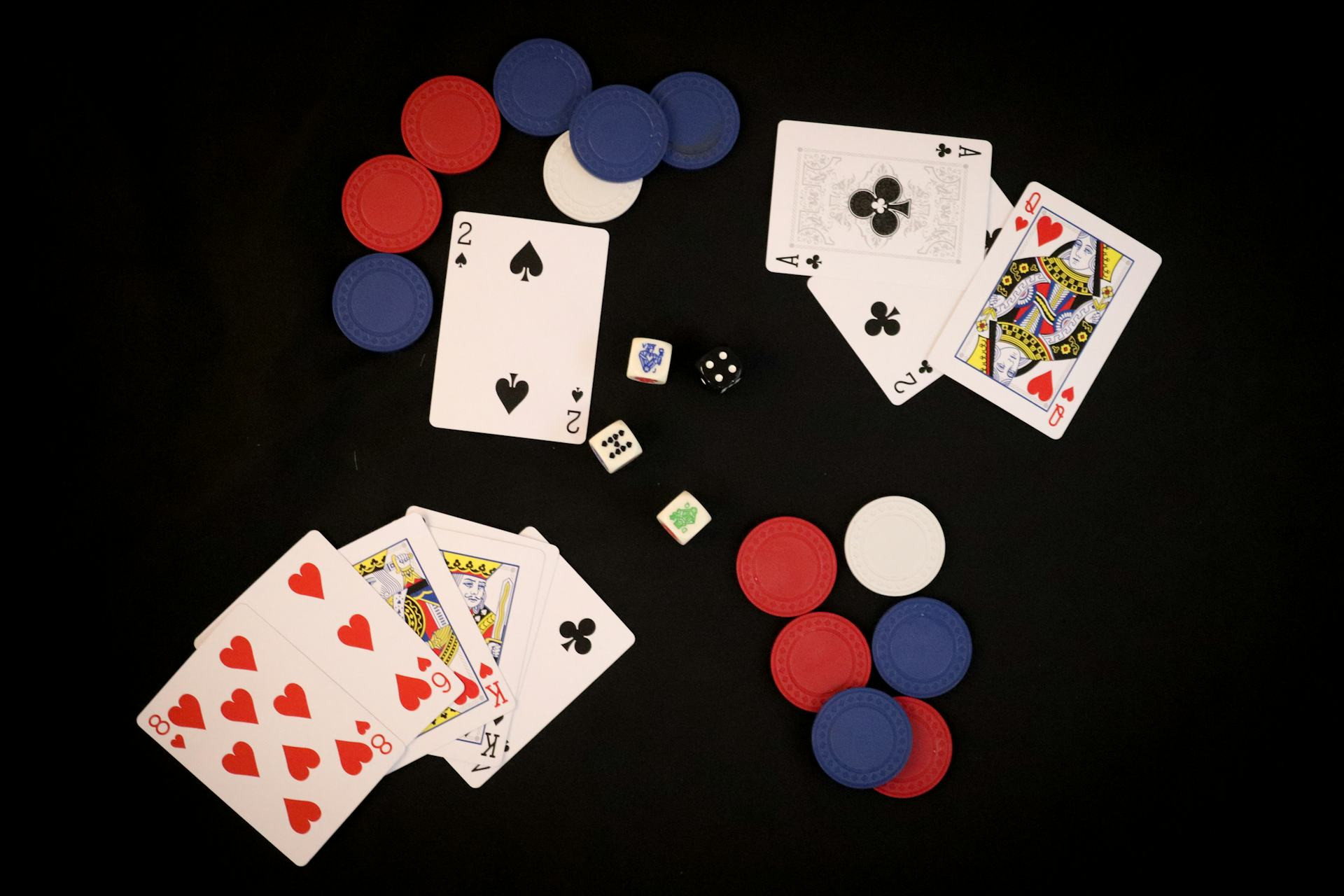
Poker stands apart from most casino games because you’re playing against other people, not the house. Here, probability is only part of the story. The other part is psychology.
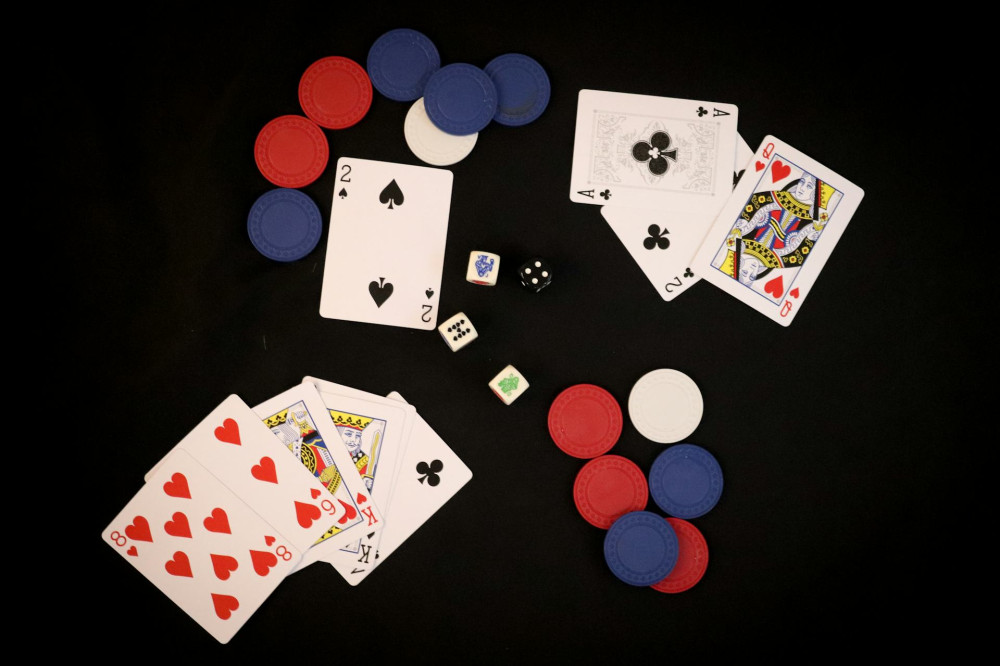
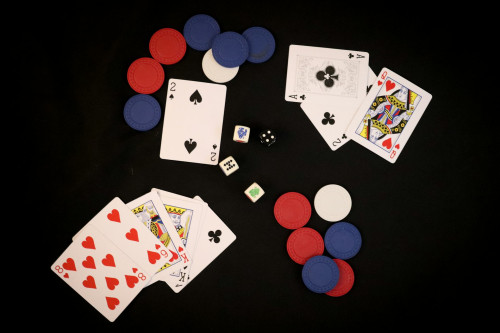
When you look at your two cards and the community cards on the table, you can estimate how likely it is that your hand will beat your opponents’. But poker is also about reading people. You can win a hand even with weaker cards if you convince others you’re holding something strong. In poker, probability becomes a tool for managing risk, not a guarantee of success.
Why Understanding Probability Matters
Learning about probability isn’t about finding a “sure way” to win—because there isn’t one. It’s about knowing what to expect and playing responsibly. When you understand that casino outcomes are random and independent, it’s easier to set limits and enjoy the game for what it is: entertainment.
Probability without formulas is really about intuition—recognizing when something is likely and when it’s just wishful thinking. That kind of understanding goes far beyond the casino floor. It can help you make better decisions in everyday life, from finances to planning and beyond.
Læs også: