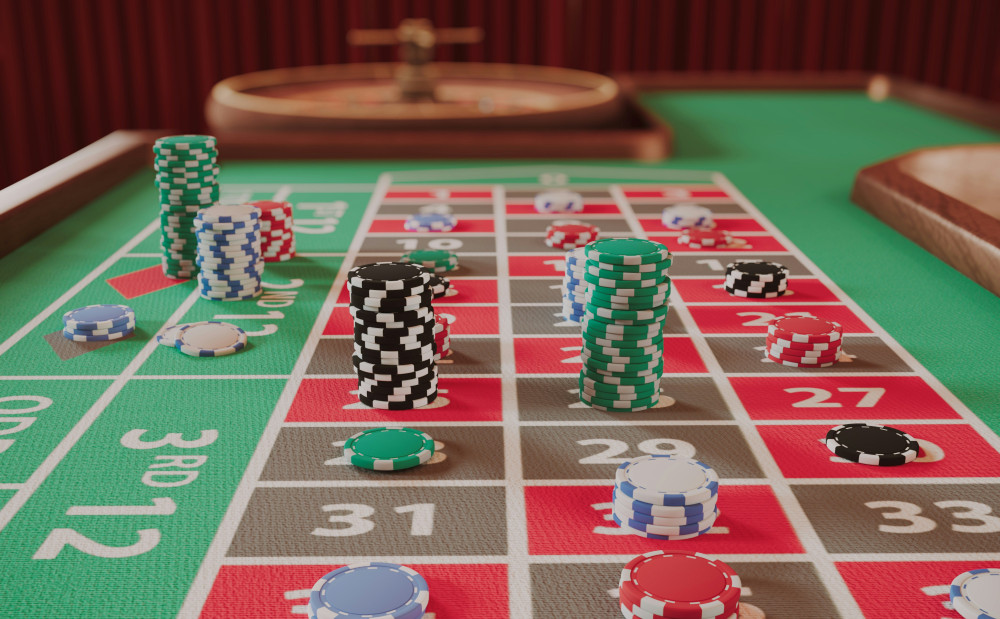
Gaming Communities that Promote Responsibility and Healthy Gaming Habits

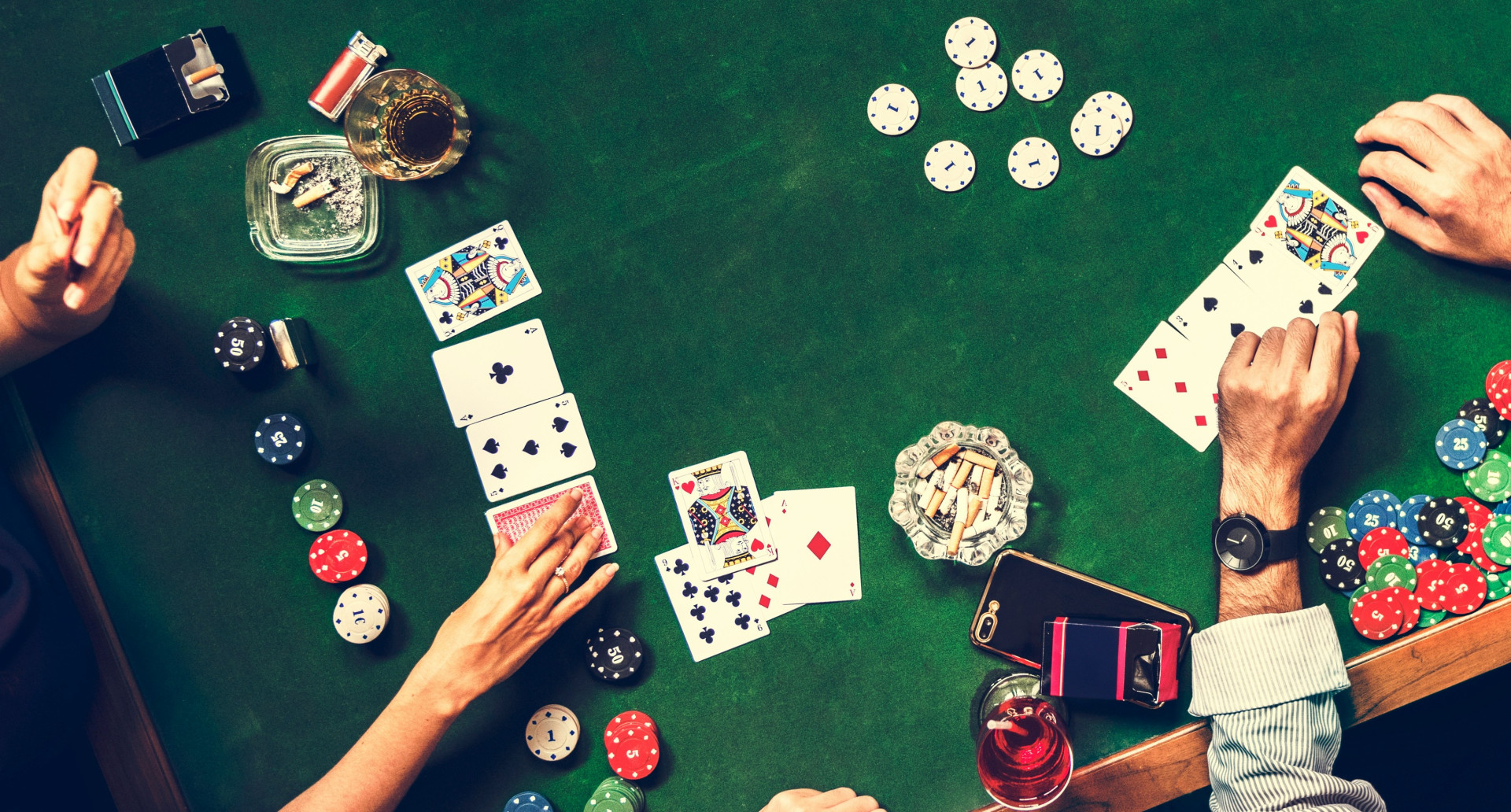
Gaming Communities that Promote Responsibility and Healthy Gaming Habits
For many Americans, gaming is a favorite pastime—a way to relax, connect with friends, and challenge oneself. But as gaming becomes more immersive and accessible, maintaining healthy habits can sometimes be a challenge. In recent years, a new trend has emerged: gaming communities that emphasize responsibility, balance, and mutual support. These groups show that gaming doesn’t have to be an isolated activity—it can be a shared experience built on awareness and care.
From Solo Play to Shared Responsibility
Traditionally, gaming has been a solitary pursuit. You log in, play, and log out. But with the rise of online platforms, social media, and streaming services, players are increasingly forming communities where they share experiences, strategies, and reflections on how to game responsibly.
In these communities, the focus isn’t just on winning—it’s on playing in a way that’s fun, sustainable, and mindful. Many groups have clear guidelines about respectful communication and encourage members to speak up if gaming starts to feel overwhelming.
The Power of Community: Support and Openness
One of the most valuable aspects of a healthy gaming community is openness. When players share their experiences, it becomes easier to recognize patterns—both positive and negative. Many online groups have dedicated channels or discussion threads where members can talk about taking breaks, managing frustration, or setting limits without fear of judgment.
Some communities even organize “screen-free weekends” or “gaming detox challenges,” where members collectively take time off from gaming. This helps normalize the idea that stepping away is not a sign of weakness—it’s part of a balanced approach to gaming.
Knowledge and Tools Shared Together
Responsible gaming communities often serve as hubs of information. Members share articles, podcasts, and tools that help others understand the psychological and design elements that influence gaming behavior. Topics might include how reward systems work, how to set time or spending limits, or how to recognize early signs of burnout.
Several U.S.-based platforms collaborate with organizations such as the Entertainment Software Rating Board (ESRB) or the National Council on Problem Gambling (NCPG) to provide links to self-assessment tools, counseling resources, and educational materials. This turns gaming spaces into places not only for entertainment but also for learning and reflection.
Social Connections as a Protective Factor
Research consistently shows that social connections can help protect against problematic gaming behaviors. When players have a supportive network, it’s easier to maintain perspective and balance. A gaming community can act as a kind of “social safety net,” reminding members that games are meant to be enjoyable—not an escape from real life.
This doesn’t mean avoiding competition or excitement. Instead, it’s about learning to balance them. Many communities encourage celebrating small victories while also being open about losses and frustrations. This fosters a more realistic and emotionally healthy approach to gaming.
How to Join a Responsible Gaming Community
If you’re interested in joining a community that promotes healthy gaming habits, look for groups that clearly value balance and respect. Signs of a responsible community include:
- Transparency – Members share both successes and challenges.
- Support – There’s space to talk about limits, breaks, and boundaries.
- Education – The group shares resources about responsible gaming.
- Respect – The tone is positive, and no one is pressured to play more than they want to.
You can also start your own group with friends, family, or coworkers. Set shared goals, talk openly about your gaming habits, and encourage each other to keep gaming fun and balanced.
Læs også:


A Community Built on Care
Gaming communities that promote responsibility show that it’s possible to combine entertainment with mindfulness. When you play alongside others who share your values, it becomes easier to maintain healthy habits—and to remember that gaming should always be enjoyable first and foremost.
By creating spaces for dialogue, support, and shared reflection, these communities are helping to reshape gaming culture in the U.S.—from something done alone to something done together, with respect for both yourself and others.
Læs også: