Gaming Around the Clock? How Time Zones and Opening Hours Affect the Experience

Gaming Around the Clock? How Time Zones and Opening Hours Affect the Experience
In a digital age where online gaming and casinos are just a click away, it can feel like the fun never stops—no matter where you are. But behind the illusion of 24/7 access lies a more complex reality. Time zones, opening hours, and local regulations all play a bigger role than many players realize. For both gamers and operators, time and place can shape the experience, the pace, and even the odds of success.
The Global Gaming Scene – Always Open, but Not Always the Same
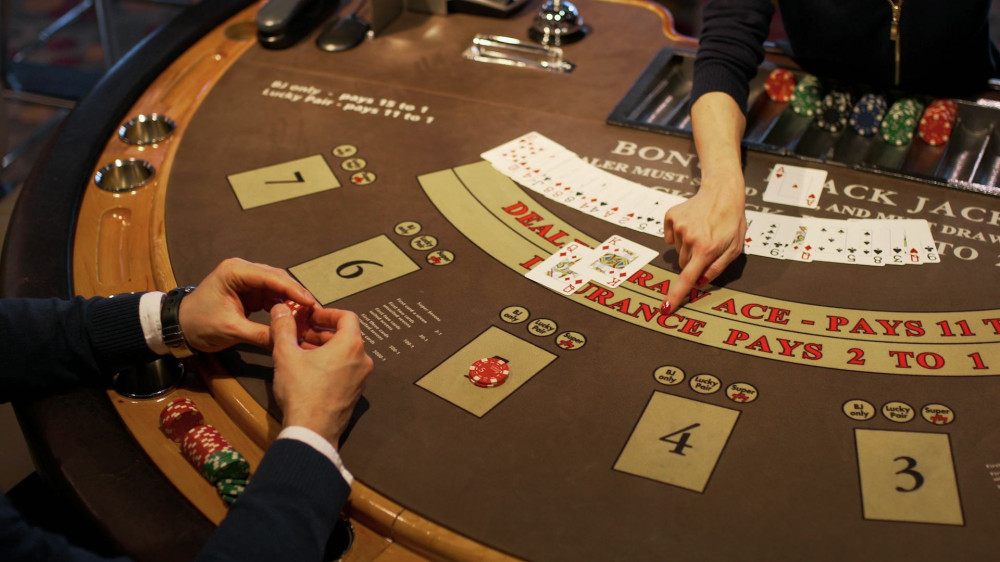
Online gaming has made it possible to join tournaments, live casinos, and esports events across continents. A player in New York can sit at a virtual blackjack table in London or watch a live-streamed roulette game from Malta. But while technology makes this possible, the experience isn’t identical around the clock.
Many live casino games follow local schedules because they rely on real dealers working specific shifts. That means a game open in the evening in Europe might be closed in the middle of the day in the U.S.—and vice versa. For players who enjoy the authentic live experience, it pays to understand how time zones affect availability.
Læs også:



Time Zones and Tempo – When the Action Peaks
Time zones don’t just determine when games are open; they also influence the atmosphere and pace. During peak evening hours in North America, online platforms often see the highest number of players, creating a lively and social environment. In the early morning, things tend to quiet down, with fewer participants in tournaments and chat rooms.
For some, that’s an advantage—fewer distractions and a calmer pace can make for more focused play. For others, the buzz of a busy table or a crowded lobby is part of the fun. Finding the right time to play is about matching the game’s rhythm to your own.
Local Rules and Opening Hours – Global Access, Local Limits
Even though online gaming feels borderless, regulation is still local. In the United States, gambling laws vary widely from state to state. Some states allow online casinos and sports betting, while others restrict or ban them entirely. Operators must tailor their offerings to comply with each jurisdiction’s rules, which can affect what games are available and when.
Some platforms automatically adjust their content based on your location. That means certain games, promotions, or live events might only appear during specific hours or in certain regions. It can be confusing, but it’s part of how providers stay compliant with local laws.
Playing Smart – Using Time to Your Advantage
For experienced players, time zones can actually become a strategic tool. In global poker tournaments, for example, the time of day can influence opponents’ focus and energy levels. A well-rested player in California might have an edge over someone competing at 3 a.m. in Europe.
The same goes for live sports betting. Knowing when major events take place—like the World Cup or the Olympics—can help you plan when to watch and when to place bets, especially when the action happens on the other side of the world.
The Human Factor – Sleep, Rhythm, and Responsibility
Even though technology allows us to play anytime, our bodies aren’t built for nonstop activity. Sleep, breaks, and consistent routines are essential for staying sharp and making good decisions. Many players notice their performance drops when they play late at night or at irregular hours.
Experts recommend setting limits on when and how long you play—even if the games are always available. It’s not just about responsible gaming; it’s about keeping the experience enjoyable and sustainable.
A World Without Closing Time – But Still with Rhythm
Online gaming has erased many of the traditional barriers of time and place. Yet rhythm, time zones, and opening hours still shape the experience—both practically and mentally. Understanding how time affects your play can make the difference between a stressful session and a balanced one.
In the end, it’s not about being able to play around the clock. It’s about choosing the moments when gaming feels most rewarding—for you.
Læs også: